






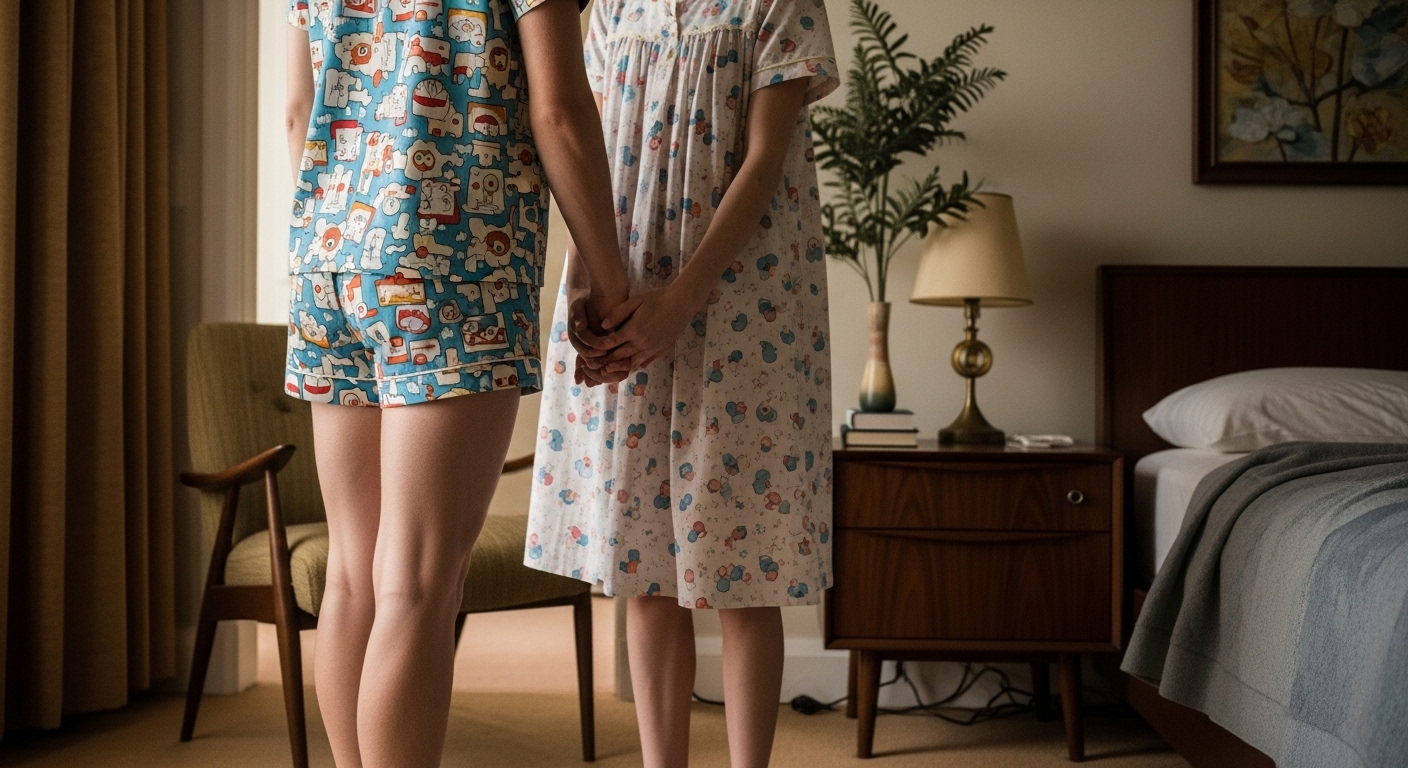
Picture this: a cozy evening, dim lights, and the soft rustle of fabric as you slip into your favorite sleepwear. The sensation is pure bliss. Enter the world of Pyjamaspapper—a term that encapsulates not just comfort but also an evolution in how we approach rest and relaxation.
Sleepwear has come a long way from its humble beginnings. It has transformed through cultures and eras, reflecting societal norms, materials available, and even fashion statements. Have you ever wondered how ancient civilizations chose their night attire or how modern pyjamas have become synonymous with style? Let’s take a journey through time to explore these changes while uncovering why Pyjamaspapper stands out in today’s market. Whether for lounging or sleeping, the right sleepwear can make all the difference in our nightly routines—and trust us; Pyjamaspapper might just be what you didn’t know you needed!
Origin and Evolution of Sleepwear
Sleepwear has a fascinating origin, evolving through centuries of culture and necessity. In ancient societies, simplicity ruled. Egyptians donned linen wraps, while Greeks favored tunics for comfort during rest.
As civilizations progressed, the concept of sleepwear began to take shape. In the Middle Ages, garments became more elaborate but still focused on warmth rather than fashion. Nightgowns emerged as practical solutions against cold nights.
The Renaissance introduced a shift toward style. Tailored nightclothes adorned with lace and embroidery reflected wealth and status. The Victorian era took this further with elaborate designs that emphasized modesty.
Fast forward to today; sleepwear is an integral part of our lifestyle. From luxurious silk pajamas to cozy cotton sets, innovations continue to enhance both comfort and aesthetics in our nightly routines. Each phase in its evolution tells a story that connects us all through time.
Ancient Sleepwear
Ancient civilizations had their own interpretations of sleepwear, often using materials that were readily available. In ancient Egypt, linen was the fabric of choice due to its breathability in hot climates. Wealthy individuals wore long tunics or simple robes while sleeping.
In contrast, the Greeks favored a more minimalist approach with chitons made from cotton or wool. These garments allowed freedom of movement and comfort during rest periods.
The Romans embraced similar styles but introduced variations like the “pallium,” a wrap worn around the body. This versatile garment served both as sleepwear and everyday attire.
Farther east, in China, silk became synonymous with luxury and relaxation. The soft texture provided warmth during cold nights while offering an air of elegance for those who could afford it.
Each culture adapted their sleepwear to reflect not only practicality but also social status and personal style throughout history.
Medieval Sleepwear
During the medieval period, sleepwear took on a functional yet modest form. People often wore simple tunics made from wool or linen as they settled in for the night.
For both men and women, these garments offered warmth and comfort. The wealthy might have chosen finer materials adorned with embroidery, while peasants stuck to rougher fabrics.
Nightgowns also emerged, typically long and flowing. These were practical but still reflected social status through their fabric choices.
Sleeping arrangements varied greatly too. Wealthy families would retire to elaborately decorated chambers with canopied beds, whereas common folk shared space in simpler settings.
It was not uncommon for individuals to sleep fully clothed if needed due to safety concerns or unexpected visitors. This blend of practicality and societal norms shaped what people considered appropriate nighttime attire during this era.
Renaissance and Victorian Era Sleepwear
During the Renaissance, sleepwear began to reflect the era’s artistic flair. Nightgowns were often adorned with intricate embroidery and luxurious fabrics like silk. Men typically wore loose-fitting nightshirts that offered comfort while maintaining a sense of dignity.
The Victorian era brought about dramatic changes in sleepwear design. Modesty was paramount, leading to elaborate and conservative garments. Women donned long chemises or nightdresses that flowed gracefully to the floor, paired with cozy wraps for warmth.
Men’s night attire also evolved during this time, transitioning from simple shirts to tailored pajamas featuring button-down tops and matching trousers.
Both genders embraced lace, ribbons, and delicate patterns as symbols of elegance and refinement in their nighttime clothing choices. These styles reflected not just personal taste but societal norms around propriety and class distinctions.
Modern-Day Sleepwear
Modern-day sleepwear reflects a blend of comfort and style. The focus has shifted from purely functional to fashionable. People seek pieces that enhance their nighttime routine while also allowing them to express personal style.
Materials have come a long way, with soft cotton blends, breathable bamboo fabrics, and luxurious silks dominating the market. These choices cater not only to comfort but also to sustainability.
Styles vary widely, from classic pajamas to chic loungewear sets. Athleisure influences can be seen in many designs, encouraging wearers to transition seamlessly from night into day.
Patterns and colors are more vibrant than ever. Florals, stripes, and even playful prints add personality to sleepwear collections.
As self-care gains importance in modern life, investing in quality sleepwear is viewed as essential for relaxation and well-being. This trend continues shaping how people approach their nightly routines.
The Rise of Pyjamaspapper
The rise of pyjamaspapper marks a significant shift in how we view sleepwear. Once considered mere night attire, these stylish pieces have become essential elements of self-expression and comfort.
In recent years, the demand for fashionable yet cozy sleepwear has skyrocketed. Consumers now seek designs that reflect their personalities while ensuring a good night’s rest. Pyjamaspapper fits this bill perfectly.
Influenced by celebrities and fashion influencers, pyjamaspapper gained traction on social media platforms. This visibility transformed it from basic loungewear to chic statements worthy of showcasing.
Moreover, advancements in fabric technology contributed to its popularity. Soft materials combined with innovative designs make pyjamaspapper not only visually appealing but also incredibly comfortable.
As people prioritize wellness and relaxation in their daily lives, investing in quality sleepwear like pyjamaspapper became a trend worth embracing. The evolution continues as more brands explore unique styles and sustainable options.
Innovative Features of Pyjamaspapper
Pyjamaspapper stands out with its innovative features that cater to modern needs. One of the most notable aspects is the use of breathable fabrics. This ensures comfort throughout the night, regulating temperature for a restful sleep.
Additionally, many designs incorporate moisture-wicking technology. This is perfect for those hot summer nights or anyone who tends to sweat during their slumber.
The attention to detail doesn’t stop there. Pyjamaspapper often includes thoughtful pockets or adjustable waistbands, blending practicality with style seamlessly.
Eco-friendly materials are also on the rise in pyjama production. Consumers increasingly seek options made from sustainable sources, making these sleepwear pieces even more appealing.
Vibrant prints and patterns add personality to bedtime routines. Whether you prefer bold colors or subtle designs, there’s a Pyjamaspapper option for everyone’s taste.
Benefits of Wearing Pyjamaspapper
Wearing pyjamaspapper offers a delightful blend of comfort and style. The soft fabrics gently caress your skin, making those cozy nights even more enjoyable.
These sleepwear pieces are designed with relaxation in mind. They allow for freedom of movement, perfect for tossing and turning during restless nights or enjoying lazy weekend mornings.
There’s also an element of elegance that comes with wearing beautifully crafted pyjamaspapper. You can feel put-together while lounging at home, adding a touch of sophistication to your nighttime routine.
Moreover, many brands focus on sustainable materials. This means you can indulge in luxury without compromising the planet’s health.
Psychologically, slipping into comfy sleepwear signals your brain it’s time to unwind. It creates a soothing atmosphere conducive to restful slumber and helps develop healthy bedtime habits.
Celebrities Who Love Pyjamaspapper
Celebrities have a knack for setting trends, and when it comes to sleepwear, pyjamaspapper is no exception. Stars like Gigi Hadid are often spotted in stylish sets that elevate bedtime attire to an art form.
Then there’s Harry Styles, who embraces comfort while maintaining flair. His love for vibrant prints and luxurious fabrics makes his loungewear choices the envy of many fans.
Not to forget the fashion-forward Kylie Jenner. She effortlessly combines chic designs with cozy materials, making her pyjamaspapper choices both fashionable and functional.
Even seasoned actresses like Jennifer Aniston don comfy yet elegant styles at home, proving that comfort doesn’t have to sacrifice style.
These celebrities highlight how versatile pyjamaspapper can be—perfect for lounging or even answering the doorbell!
Sustainable and Ethical Production of Pyjamaspapper
Sustainable and ethical production of pyjamaspapper is gaining momentum in the fashion industry. Brands are now prioritizing eco-friendly materials, such as organic cotton and bamboo, which reduce environmental impact.
Manufacturers are adopting transparent supply chains, ensuring fair wages and safe working conditions for all workers. This commitment to ethics helps strengthen communities involved in textile production.
Additionally, many companies implement recycling programs or offer take-back schemes for old sleepwear. This not only minimizes waste but also encourages consumers to think responsibly about their clothing choices.
Innovative designs often incorporate low-impact dyes and natural fibers that are biodegradable. These practices resonate with environmentally conscious shoppers who value both comfort and sustainability.
As awareness grows, so does the demand for ethically produced pyjamaspapper—showing that style can harmonize with social responsibility.
Conclusion
The journey of sleepwear, particularly pyjamaspapper, reflects our evolving relationship with comfort and style. From the simple garments of ancient civilizations to the luxurious designs we see today, each era has contributed to what we now consider essential nighttime attire.
Modern innovations have elevated pyjamaspapper into a staple for relaxation and self-care. With unique features that cater to diverse needs—such as moisture-wicking fabrics and temperature control—these pajamas are more than just clothing; they promote better sleep quality and overall well-being.
Not only do many celebrities embrace these stylish pieces, but there’s also an increasing emphasis on sustainable practices in their production. This ensures that while you enjoy your cozy nights in pyjamaspapper, you’re also supporting ethical manufacturing processes.
As our understanding of rest continues to evolve alongside fashion trends, one thing remains clear: the right sleepwear can transform not just how we look at bedtime but how we experience it entirely. Embracing styles like pyjamaspapper is about enjoying every moment spent unwinding at home while feeling good about our choices for ourselves and the planet.