








Have you ever stumbled upon the IP address 264.68.111.161 and wondered what it means? You’re not alone! This peculiar combination of numbers raises questions, especially since it’s classified as an invalid IP address. The world of networking can be complex, filled with jargon and technicalities that often leave people scratching their heads. Understanding 264.68.111.161 and its implications can turn confusion into clarity and provide guidance for online safety.
In this blog post, we’ll dive deep into why you might encounter 264.68.111.161 on your screen, explore potential reasons for its appearance, and provide actionable steps to safeguard yourself against any associated risks. Whether you’re a tech enthusiast or just someone curious about online safety, there’s something here for everyone. So let’s unravel the mystery behind this seemingly random string of numbers together!
Table of Contents
ToggleWhat is 264.68.111.161?
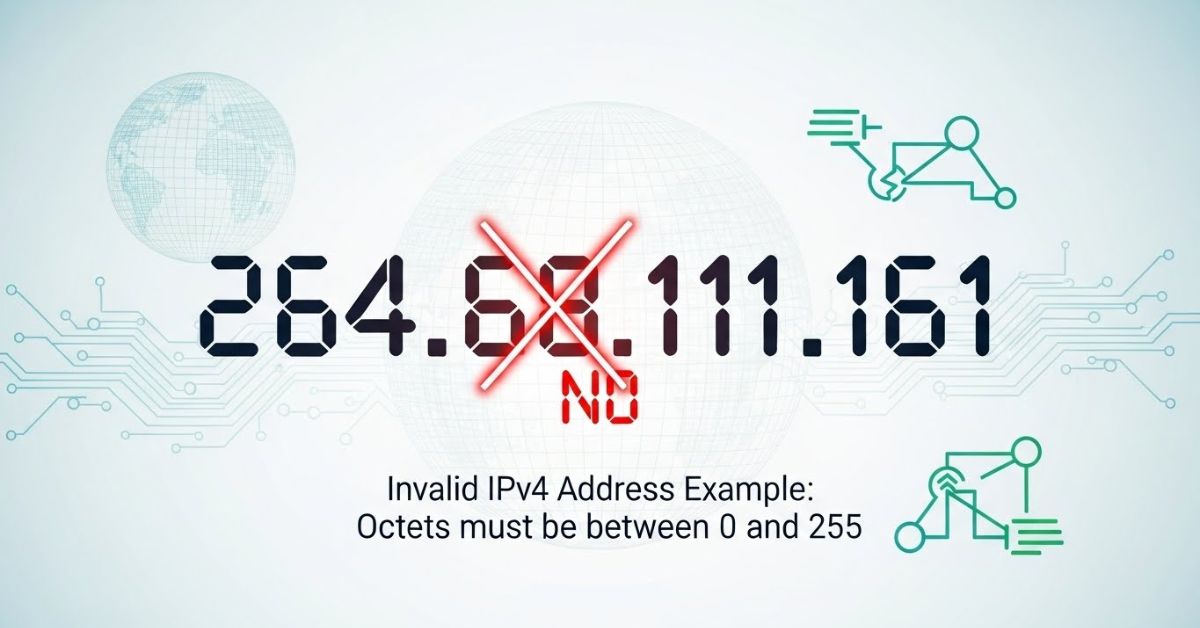
264.68.111.161 is a numerical string that resembles an IP address, but it falls outside the valid range set by the Internet Protocol version 4 (IPv4).
In IPv4, each of the four segments—or octets—must contain numbers between 0 and 255. The segment ‘264’ exceeds this limit, rendering this particular sequence invalid.
Despite its appearance as an IP address, it is frequently used in educational contexts to illustrate networking principles. Security discussions often reference such addresses to demonstrate potential misconfigurations or hypothetical threats. Understanding its nature helps demystify any confusion that may arise when encountering it on devices or logs.
- Also Read Kerkt Explained
Possible Reasons for Seeing 264.68.111.161
Seeing the IP address 264.68.111.161 can be perplexing because it does not conform to standard IPv4 format. Exceeding the maximum limit of 255 for any segment makes it invalid.
A common reason is a typographical error in network settings or logs, where numbers are misread or incorrectly input.
Another possibility is software glitches or malware that produce erroneous outputs on your system. These anomalies often appear during troubleshooting or when a program fails to retrieve proper network data.
Occasionally, educators and developers deliberately use addresses like this as examples to illustrate invalid entries. It’s important to distinguish between placeholders in documentation and actual configuration issues to avoid unnecessary concern.
Safeguards Against Malicious Activities
Maintaining security awareness is crucial even when encountering invalid addresses. Start by keeping software and operating systems fully updated, which reduces vulnerabilities that attackers may exploit.
Utilize robust antivirus solutions capable of detecting suspicious activity before it escalates. These tools provide a first layer of protection, scanning devices continuously.
Enable firewalls on all network connections to monitor traffic, blocking unauthorized access while allowing legitimate communications.
Stay educated about phishing and deceptive communications. Recognizing warning signs prevents malware from infiltrating systems.
Consider using a VPN to add privacy while online. A virtual network encrypts connections, making it harder for malicious actors to intercept sensitive information during browsing.
Steps to Take if You See 264.68.111.161 on Your Computer
If this address appears on your device, respond cautiously but calmly. Begin with a full system scan to ensure no malware is present.
Clear browser caches and cookies to remove temporary data that might be associated with the invalid entry.
Restart routers to refresh connections, eliminating lingering IP-related issues.
Monitor accounts for unusual behavior, changing passwords and enabling two-factor authentication when necessary.
Regularly reviewing network security practices will strengthen defenses and reduce the likelihood of encountering related problems in the future.
Why and how an IP address may appear as 264.68.111.161
An IP like 264.68.111.161 typically appears due to misunderstandings of IPv4 format rules. Each octet must remain between 0 and 255, and exceeding this results in an invalid configuration.
Incorrectly typed or generated numbers often lead to such entries in logs or applications. Educational materials may also use these examples to demonstrate incorrect addressing.
Software errors and misconfigurations can further result in abnormal outputs on devices. Recognizing that values outside the allowed range cannot function on networks is crucial for administrators and users alike.
Tips for Protecting Your Personal Information Online
Safeguarding personal information is essential in the modern digital landscape. Use strong, unique passwords and avoid repetition across accounts.
Enable two-factor authentication wherever possible to add an extra layer of security.
Limit personal data shared on social media and adjust privacy settings to control visibility.
Regularly update software and devices, which often include critical security patches.
Using a VPN on public Wi-Fi encrypts connections, reducing the risk of interception.
Remain aware of phishing attempts and suspicious communications, verifying sources before taking action.
Conclusion
Understanding 264.68.111.161 clarifies misconceptions about IP addresses and highlights the boundaries of IPv4 formatting.
Although invalid, this address serves as a useful example in learning environments. Awareness of proper IP structures helps users navigate networks safely and confidently.
Taking proactive measures to protect personal information ensures resilience against potential threats, regardless of unusual or incorrect addresses appearing.
- Also Read Understanding 07441128267
FAQS
What is 264.68.111.161?
264.68.111.161 is an invalid IP address because it exceeds the limit for valid IPv4 addresses. According to IPv4 rules, each segment, or octet, must fall between 0 and 255.
Why does this IP address appear on my computer?
It may show up as a placeholder, documentation example, or error output from network tools and software that illustrate incorrect IP formats.
Can I be hacked if I see this IP?
Encountering this specific number alone does not indicate a direct hacking risk, though it may highlight network configuration issues requiring attention.
How do I fix issues related to invalid IP addresses?
Checking device TCP/IP settings, clearing caches, and resetting routers often resolves problems stemming from invalid network entries.
Should I worry about my online security with strange IPs appearing?
Maintaining vigilance is always wise. Ensure firewalls are active, use VPNs for additional protection, and follow best practices to secure your accounts and devices.