










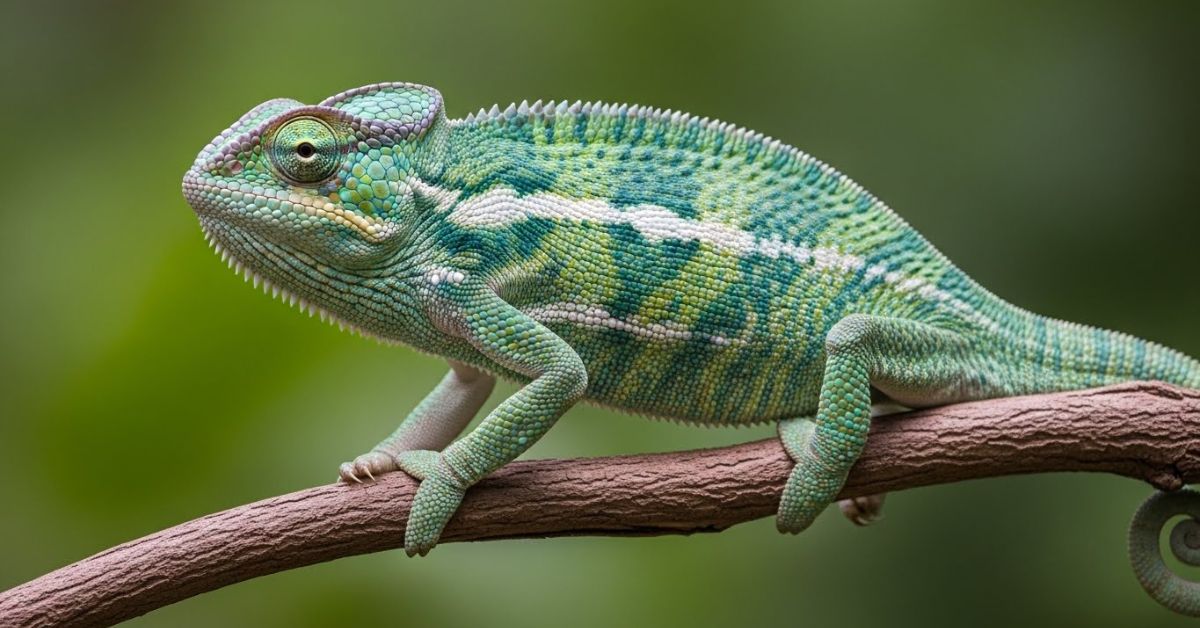
Chameleónovité creatures have fascinated humans for centuries due to their extraordinary abilities and unusual appearance. Their striking adaptations and behavioral traits make them a frequent topic of curiosity among naturalists, pet enthusiasts, and educators alike. Understanding chameleónovité is essential for appreciating biodiversity and the nuanced mechanisms of survival in reptiles.
What Are Chameleónovité?
Chameleónovité are a family of lizards known for their remarkable color-changing abilities, independent eye movement, and specialized feet. Unlike other reptiles, chameleónovité possess unique adaptations that allow them to navigate complex environments efficiently. These traits have evolved over millions of years, enabling them to thrive in diverse ecosystems ranging from dense tropical forests to arid regions.
At their core, chameleónovité are defined by three key characteristics: highly flexible tongues, prehensile tails, and chromatophores—specialized cells that facilitate color change. Each feature serves a functional purpose, from capturing prey to signaling mood or territorial boundaries. Misunderstandings about chameleónovité often arise due to exaggerated claims about their camouflage capabilities. While they are adept at blending into surroundings, the phenomenon is more about social communication and thermoregulation than perfect invisibility.
Physical Traits of Chameleónovité
Color Adaptation and Communication
Chameleónovité utilize color as a form of communication and environmental response. Chromatophores within their skin expand or contract to produce vivid patterns. This adaptation serves multiple purposes: attracting mates, warning rivals, and adjusting body temperature. Scientific observation shows that color shifts are often subtle and context-specific rather than instantaneous transformations as commonly depicted.
Eyes and Vision
Chameleónovité eyes are among the most advanced in reptiles. Each eye can move independently, allowing a full 360-degree view of the surroundings. This binocular flexibility is crucial for detecting predators and prey simultaneously. Unlike many lizards, chameleónovité can focus both eyes in the same direction to gauge depth accurately, aiding precise tongue strikes.
Limbs and Locomotion
The feet of chameleónovité are zygodactylous, meaning toes are grouped in opposing pairs. This arrangement improves grip on branches and supports slow, deliberate movement. Coupled with prehensile tails, these limbs make chameleónovité exceptional climbers, perfectly suited to arboreal life. Their locomotion emphasizes stability over speed, reflecting evolutionary adaptation to predator-rich environments.
Habitat and Distribution
Chameleónovité inhabit regions across Africa, Madagascar, and parts of Asia. Madagascar alone hosts the greatest diversity of species, many of which are endemic. The ecological niches they occupy vary from rainforest canopies to shrublands and semi-desert areas. Chameleónovité are highly sensitive to environmental changes, which makes them indicators of ecosystem health. Habitat loss directly impacts their populations, highlighting the need for conservation awareness.
Feeding and Hunting Behavior
Chameleónovité are primarily insectivorous, though larger species may consume small vertebrates. Their hunting technique is a combination of stealth and precision. Using a rapid, sticky tongue, a chameleónovité can capture prey at a distance greater than its body length. This method minimizes energy expenditure while maximizing hunting success. Observation shows that chameleónovité often rely on patience rather than speed, remaining motionless for extended periods until the perfect moment to strike arises.
Reproduction and Lifespan
Reproduction in chameleónovité varies among species but generally involves egg-laying. Courtship can include elaborate color displays and body movements, showcasing their communicative use of chromatic changes. Incubation periods depend on temperature and species, typically ranging from several weeks to months. Lifespan also varies: smaller chameleónovité may live only a few years, while larger species can exceed a decade in controlled environments.
Conservation and Human Interaction
Many chameleónovité species face threats from deforestation, climate change, and the pet trade. Conservation efforts focus on habitat preservation and sustainable population management. Educating the public about the ecological role of chameleónovité helps reduce illegal trade and fosters respect for these reptiles. Awareness campaigns emphasize that chameleónovité are not pets to be displayed casually but wild creatures with complex needs.
Unique Adaptations Beyond the Obvious
While color change is the most publicized trait of chameleónovité, other adaptations are equally remarkable. For example, their metabolic efficiency allows survival during food scarcity. Additionally, their skin texture provides subtle camouflage through shadow reduction rather than bright color mimicry alone. Studying these secondary traits deepens understanding of evolutionary biology and species resilience.
Conclusion
Chameleónovité are extraordinary reptiles whose physical and behavioral traits exemplify the complexity of natural adaptation. From their color-changing skin to their agile climbing abilities, they demonstrate the intricate balance between survival and environmental interaction. Awareness and study of chameleónovité not only satisfy human curiosity but also promote conservation and ecological literacy.
FAQs
1. What does chameleónovité mean?
It refers to a family of lizards known for color-changing abilities and specialized physical traits.
2. Where are chameleónovité typically found?
They are mainly native to Madagascar, Africa, and parts of Asia.
3. Can chameleónovité completely camouflage?
No, they primarily use color for communication and thermoregulation, not perfect invisibility.
4. What do chameleónovité eat?
Mostly insects, though larger species may eat small vertebrates.
5. How long do chameleónovité live?
Lifespan varies from a few years in small species to over ten years in larger ones.
For more better information visite Codeff