










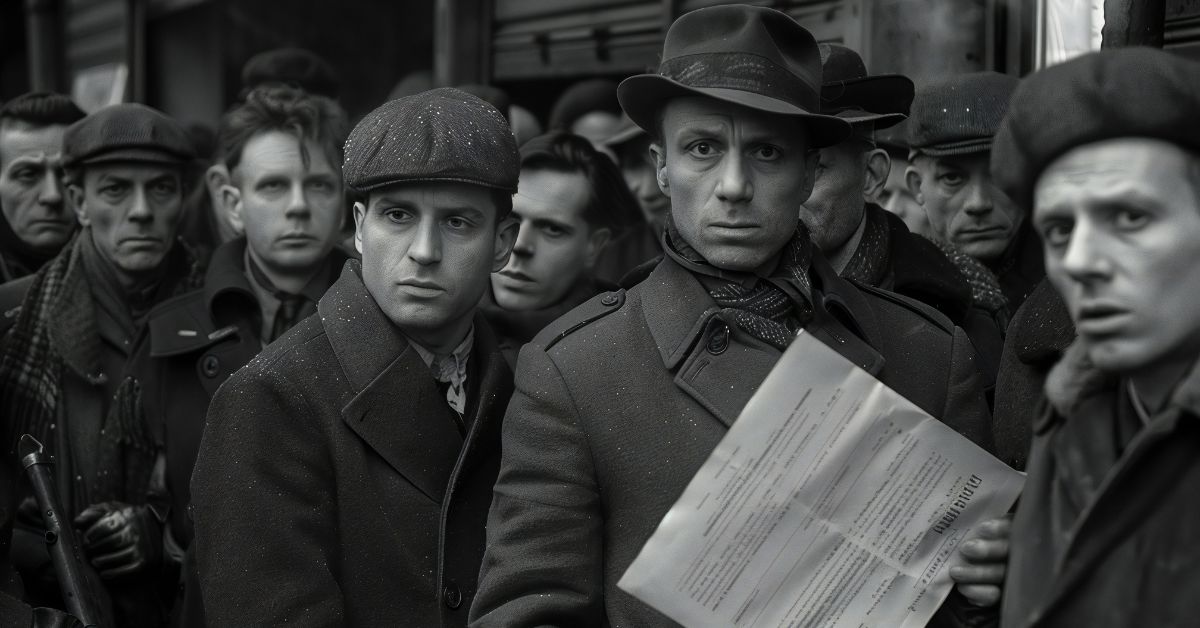
Periods of uncertainty often push societies to search for certainty. This is why people actively look up Fascisterne—not out of curiosity alone, but out of concern. The term represents a political pattern that resurfaces whenever fear, identity, and authority intersect.
Understanding this ideology matters because it does not always announce itself openly. It often arrives gradually, framed as protection, stability, or national revival.
What Fascisterne Means
Fascisterne refers to movements or actors aligned with a form of fascist ideology that places centralized authority above individual autonomy. The system prioritizes obedience, uniformity, and state power while viewing dissent as a threat rather than a democratic necessity.
Unlike pluralistic systems, this framework treats disagreement as instability and concentrates decision-making in a narrow leadership structure.
Core Principles Behind the Ideology
Authority Above Individual Rights
At the center of this political model is the belief that social order outweighs personal liberty. Rights are conditional and can be suspended when leaders claim the nation is at risk.
This creates a system where power justifies itself without meaningful limits.
Enforced Unity
Unity is presented as essential, but it is narrowly defined. Cultural, political, or ideological differences are framed as sources of division rather than enrichment.
Social cohesion is maintained through pressure rather than consent.
Strength as a Moral Standard
Power is not just functional—it is celebrated. Aggression is reframed as decisiveness, while compromise is labeled weakness. Ethical boundaries shift to accommodate authority.
Conditions That Allow Such Systems to Rise
Exploiting Crisis
Economic collapse, social unrest, or national humiliation often precede the rise of authoritarian movements. In these moments, simplified narratives gain traction because complexity feels threatening.
Fear lowers resistance to control.
Emotional Mobilization
Support is built through emotion, not reason. Anger and pride replace analysis. Messaging focuses on enemies, betrayal, and restoration rather than policy detail.
Once emotions dominate, accountability weakens.
Gradual Institutional Capture
Rather than dismantling institutions immediately, power is slowly redirected. Courts lose independence. Media loses neutrality. Oversight becomes symbolic.
Each step appears manageable until reversal becomes impossible.
Control Mechanisms Within Society
Information Management
Independent journalism undermines centralized authority, so it is restricted or delegitimized. Alternative narratives are labeled harmful or disloyal.
Truth becomes whatever aligns with power.
Selective Law Enforcement
Legal systems remain intact in appearance but function unevenly. Loyalty determines protection, while criticism invites punishment.
Law shifts from shield to weapon.
Cultural Conditioning
Education and culture are reshaped to reinforce approved values. History is simplified, creativity constrained, and critical inquiry discouraged.
Narrative control replaces intellectual growth.
Rejection of Pluralism
Pluralism accepts disagreement as normal. Fascisterne reject this premise entirely. Multiple viewpoints challenge the illusion of national unity that such systems rely on.
Opposition is redefined as sabotage, making repression appear justified.
Economic Structure Under Centralized Control
Although private enterprise may exist, independence does not. Economic actors survive through alignment, not innovation.
This creates stagnation masked as stability. Productivity declines while favoritism grows.
Why the System Appears Strong but Is Not
Externally, authority looks decisive and unified. Internally, fear suppresses feedback. Leaders hear affirmation instead of truth.
Problems accumulate silently until they erupt uncontrollably.
Reasons These Systems Collapse
Inability to Adapt
Rigid ideology cannot adjust to social or technological change. Reality eventually contradicts narrative.
When adaptation is blocked, failure accelerates.
Internal Power Conflict
Without transparent succession or accountability, rivalries intensify. Loyalty replaces competence, weakening governance.
Instability grows from within.
Erosion of Public Trust
Fear can enforce compliance but not legitimacy. Once coercion weakens, support dissolves rapidly.
Collapse is often sudden, not gradual.
Modern Relevance
Contemporary forms may appear more subtle—operating through legal frameworks, digital influence, or populist language. However, the structural traits remain unchanged: centralized authority, controlled narratives, and intolerance for dissent.
Recognizing patterns matters more than labels.
Why Clear Understanding Matters
Misusing or overextending the term Fascisterne reduces its analytical value. Precision allows societies to identify risks without hysteria or denial.
Clarity strengthens democratic resilience.
Conclusion
Fascisterne represent a recurring political temptation: trading freedom for certainty and complexity for control. These systems rise through fear, govern through suppression, and collapse through rigidity.
Understanding the mechanics—not just the history—reduces vulnerability to repetition.
FAQs
What does Fascisterne mean?
It refers to movements or actors aligned with fascist ideology centered on absolute authority.
Is this ideology limited to history?
No. Similar structures can emerge in modern contexts under different forms.
Does it always reject democracy?
Yes. Even when elections exist, outcomes are controlled.
Why is dissent treated as dangerous?
Because disagreement threatens centralized power and enforced unity.
Can such systems survive long-term?
No. Internal rigidity and loss of legitimacy eventually cause collapse.
To learn more, visit Codeff.net.