









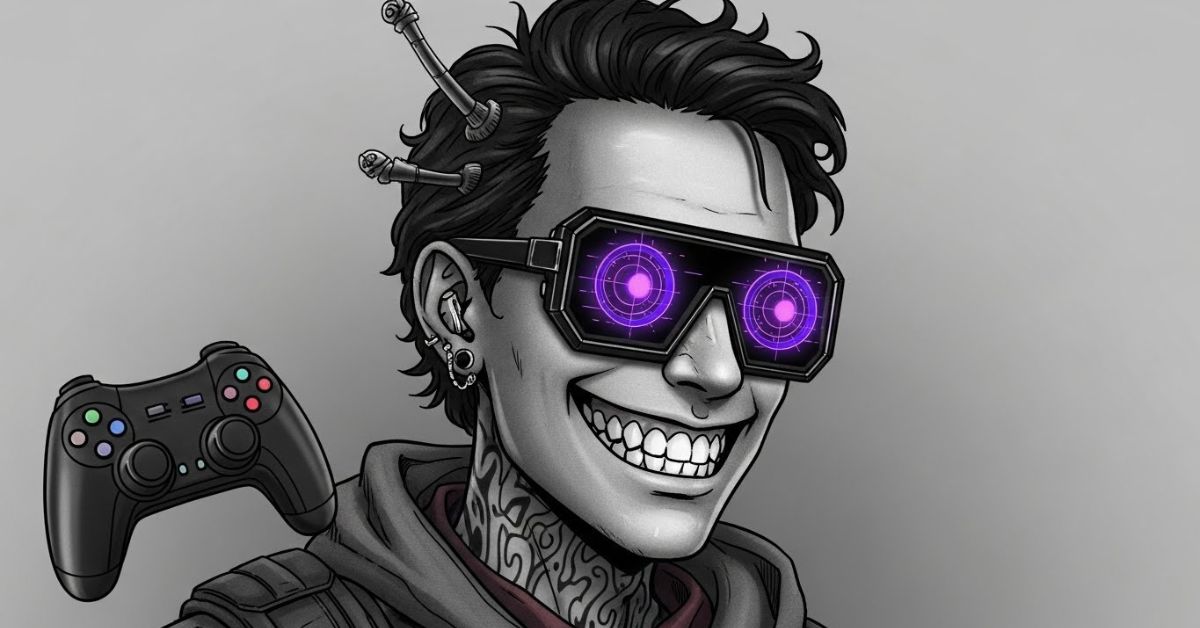
In the vast and ever-changing world of digital culture, some identities feel less like usernames and more like living ideas. They appear quietly, grow through creativity, and eventually begin shaping how people interact online. buutman is one such digital presence, emerging from the intersection of memes, art, and gaming with a personality that feels both playful and thought-provoking.
What makes buutman stand out is not just humor or visual style, but the way it connects people through shared imagination. It represents a space where creativity thrives freely, boundaries blur, and online expression becomes a form of storytelling that resonates deeply with modern communities.
The Birth of Buutman
The creation of buutman can be traced back to a desire to capture the chaotic charm of internet culture in a single, recognizable identity. Rather than following a traditional character blueprint, it was shaped by experimentation, humor, and creative risk-taking.
In its earliest form, the persona reflected everyday online absurdity—moments that felt relatable to anyone immersed in digital spaces. The character’s design and tone evolved organically, guided more by community response than rigid planning.
As people began engaging with the concept, it transformed from a simple idea into a shared symbol. This early growth laid the foundation for a digital identity that could adapt, inspire, and remain relevant across platforms.
- Also Read Mutmax
The Rise of Digital Personas in Online Communities
The rise of buutman mirrors a broader shift in how online communities interact with identity. Digital personas allow individuals to participate without the limitations of real-world labels, encouraging creativity and openness.
These identities often serve as mirrors, reflecting collective humor, frustrations, and imagination. People connect with them because they feel accessible and expressive rather than polished or distant.
As online spaces became more participatory, digital personas gained power through collaboration. Communities did not just consume content; they shaped it, allowing identities like this one to grow alongside their audiences.
The Impact of Buutman on Art, Humor, and Gaming
The influence of buutman can be seen across multiple creative spaces, particularly art, humor, and gaming culture. Artists frequently reinterpret the persona, using it as a base for experimentation and personal expression.
Humor plays a central role in its appeal. The character thrives on irony, exaggeration, and self-aware comedy that resonates with internet-native audiences. This humor fosters connection and encourages sharing.
Within gaming communities, the persona functions as a symbol of individuality and shared culture. It allows players to express identity beyond standard avatars, blending entertainment with creative representation.
How Social Media Platforms Have Contributed to Buutman’s Popularity
Social media has been instrumental in amplifying buutman by providing spaces where visual creativity and humor travel quickly. Each platform offers a different way for audiences to interact with the persona.
Image-focused platforms highlight artistic interpretations, while short-form video encourages playful experimentation. Text-driven spaces support witty commentary and cultural discussion.
The continuous feedback loop between creators and audiences allows the persona to evolve naturally. This adaptability keeps it relevant and deeply embedded in online conversations.
Criticisms and Controversies Surrounding the Buutman Phenomenon
Despite its popularity, buutman has not been free from criticism. Some observers argue that digital personas can oversimplify complex ideas or rely too heavily on humor.
Concerns have also been raised about visibility and representation, particularly when a single identity gains widespread attention. Smaller creators sometimes worry about being overshadowed.
There are also discussions around ownership and originality, especially when community-driven content becomes widely shared. These debates reflect larger questions about creativity and credit in digital culture.
Interview with the Creator of Buutman
In conversations about buutman, the creator often emphasizes intention and community over virality. The persona was never meant to be static or controlled tightly.
The creator has spoken about the importance of allowing audiences to shape meaning, rather than dictating it. This openness has been central to the persona’s growth.
By maintaining authenticity and responsiveness, the creator fostered trust. That trust transformed casual engagement into a long-term creative relationship with the audience.
Conclusion: The Future of Digital Personas in Online Communities
The continued evolution of buutman reflects where digital culture is heading. Online identities are becoming more collaborative, expressive, and emotionally resonant.
As technology advances, digital personas will likely become even more immersive. Audiences may not just follow them, but actively participate in shaping their narratives.
This future suggests a shift from passive consumption to shared creation. Personas like this one demonstrate how imagination and community can redefine connection in digital spaces.
FAQs
What is buutman?
buutman is a digital persona that blends art, humor, gaming culture, and online expression into a recognizable creative identity.
How did buutman originate?
It emerged from experimentation within digital communities, shaped by creativity, humor, and audience interaction.
Why are digital personas becoming so popular?
They allow flexible self-expression, anonymity, and community-driven creativity in online environments.
Does this persona influence artistic communities?
Yes, it inspires reinterpretation, collaboration, and creative exploration across multiple artistic spaces.
Are there controversies linked to this phenomenon?
Discussions exist around originality, representation, and visibility, reflecting broader debates in digital culture.