









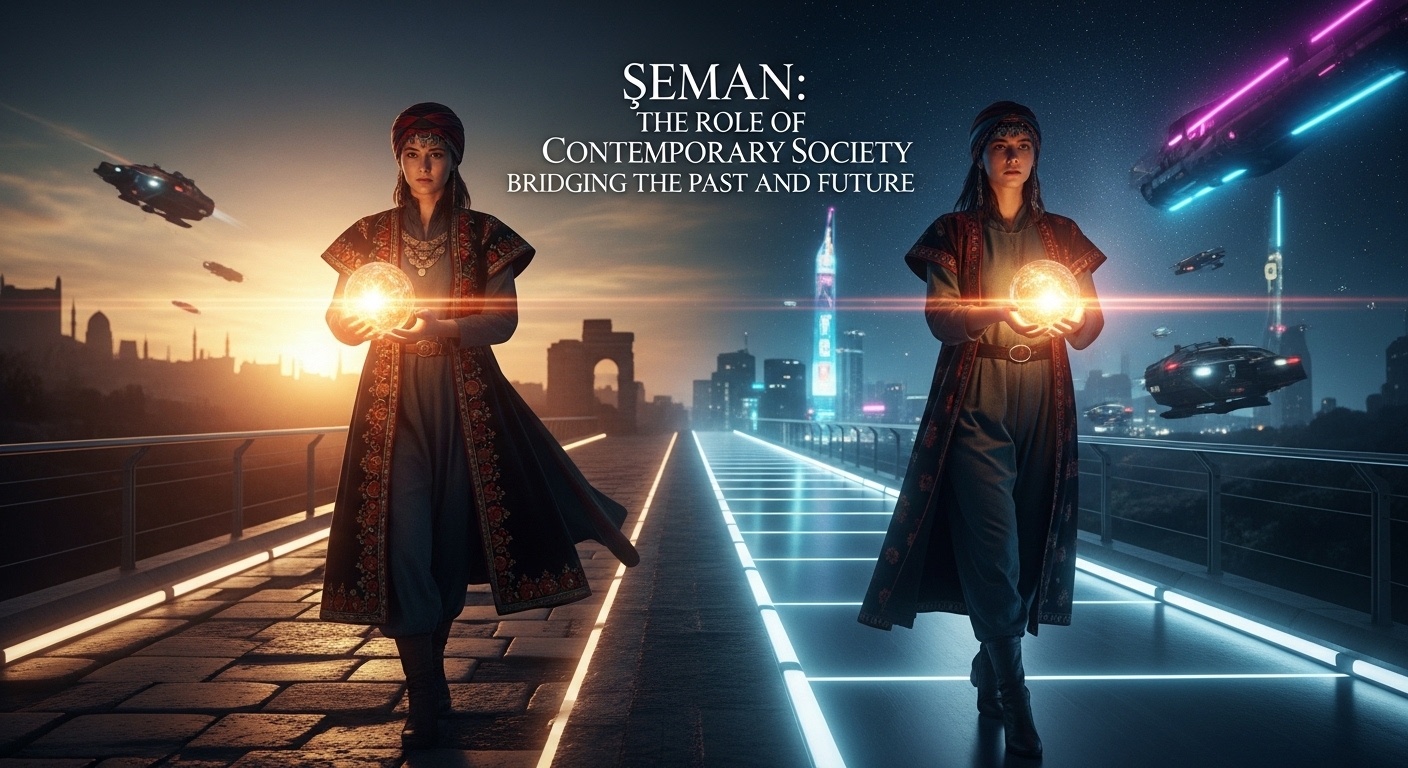
In a world that is increasingly interconnected yet steeped in tradition, the concept of Đeman stands as a fascinating bridge between our past and future. This cultural phenomenon, deeply rooted in Southeast Asian heritage, reflects the vibrant tapestry of history while adapting to contemporary society’s ever-changing landscape. As we navigate through modernity, Đeman not only offers us insights into who we were but also shapes who we are becoming. Join me on this exploration of Đeman and its significance in today’s world—a journey that reveals how traditions can thrive amid rapid change and technological advancements.
The Historical Roots of Đeman in Southeast Asia
Đeman finds its roots deeply embedded in the rich tapestry of Southeast Asia’s history. This cultural practice emerged centuries ago, influenced by various ethnic groups and traditions across the region. In its early days, Đeman was primarily a communal activity that fostered unity among diverse communities. It served as a platform for storytelling, music, and dance—a celebration of life’s milestones such as births, weddings, and harvests.
As trade routes expanded through Southeast Asia, so did the influence of Đeman. Merchants introduced new ideas and elements from distant lands. This led to unique adaptations that reflect both local customs and foreign influences over time. The essence of Đeman has always been about connection—between individuals and their surroundings. Each performance tells a story ingrained with historical significance while providing insight into social values prevalent during each era.
How Đeman Has Evolved in Contemporary Society
Đeman has undergone significant transformations in contemporary society. Once primarily a traditional art form, it now intersects with modern expressions and aesthetics. Artists are blending ancient techniques with innovative materials and styles, creating a fusion that appeals to today’s audiences.
As global communication increases, Đeman reaches more people than ever before. Social media platforms showcase vibrant performances and artworks, making this cultural expression accessible worldwide. This exposure fosters appreciation while inviting new interpretations.
Moreover, urban environments have become venues for Đeman. Street festivals highlight its importance in community identity and revitalization efforts. Collaborations between seasoned practitioners and emerging talents breathe fresh life into age-old practices.
Educational programs also play a crucial role in this evolution. Workshops and seminars introduce the richness of Đeman to younger generations, ensuring its continuity amidst rapid change. Through these adaptations, Đeman remains relevant as it balances tradition with innovation.
The Role of Technology in Preserving and Promoting Đeman
Technology plays a pivotal role in the preservation and promotion of Đeman. Digital platforms enable communities to share their cultural heritage with a broader audience. Through social media, videos, and blogs, the rich narratives associated with Đeman come alive.
Online archives allow for the storage of traditional music, art, and stories that might otherwise fade away. This digital footprint ensures future generations can access these treasures effortlessly.
Virtual reality exhibits offer immersive experiences that transport users into the heart of Đeman’s vibrant culture. These innovations not only educate but also spark interest among younger audiences.
Moreover, mobile applications facilitate interactive learning about traditions surrounding Đeman. Gamifying history engages users while instilling pride in their heritage.
The marriage between technology and tradition creates an exciting synergy that enriches contemporary society’s understanding of Đeman while ensuring its continued relevance.
Examples of Đeman in Modern Culture
Đeman manifests vividly in various facets of modern culture. One notable example is its incorporation into contemporary art, where artists draw inspiration from traditional motifs and themes. These works often create a dialogue between the past and today’s artistic expressions.
In music, Đeman influences genres like pop and folk. Musicians blend traditional sounds with modern rhythms, resulting in fresh interpretations that resonate with younger audiences.
Fashion also embraces Đeman through textiles and patterns rooted in historical significance. Designers often pay homage to these elements, infusing them into their collections while appealing to global markets.
Culinary arts showcase Đeman as well. Chefs experiment by merging age-old recipes with innovative techniques, reviving flavors that tell stories of heritage yet cater to today’s tastes.
These examples illustrate not just preservation but transformation—keeping the essence alive while allowing it to evolve within contemporary settings.
Challenges and Controversies Surrounding Đeman Today
Đeman faces numerous challenges in today’s fast-paced world. The rapid globalization and modernization can threaten its authentic practices. Many traditional elements risk being overshadowed by more dominant cultures.
Moreover, there are controversies around commercialization. Some argue that turning Đeman into a product undermines its cultural significance. When traditions become trends, they often lose their depth and meaning.
Additionally, generational gaps pose difficulties in preserving Đeman. Younger generations may feel disconnected from these customs as they navigate modern influences. This disconnect creates tension between tradition and innovation.
Debates over authenticity complicate the narrative of Đeman. As various interpretations emerge, what remains true to its roots? Finding common ground is essential for ensuring this vibrant culture thrives amid contemporary challenges.
The Importance of Embracing and Celebrating Đeman for a Better Future
Embracing Đeman is essential for fostering cultural identity and continuity. It serves as a bridge that connects generations, allowing us to learn from our past while shaping the future.
When we celebrate Đeman, we promote understanding and dialogue among diverse communities. This shared appreciation can break down barriers and create bonds based on mutual respect.
Furthermore, Đeman encourages creativity. Artists and innovators draw inspiration from traditional elements, blending them with modern practices to produce fresh expressions of culture.
This synthesis not only enriches contemporary society but also ensures that traditional values remain relevant in an ever-changing world.
By prioritizing Đeman, we invest in our collective heritage. It empowers individuals to take pride in their roots while participating actively in a global narrative enriched by diversity and tradition.
Conclusion
Đeman serves as a vital bridge between the past and future, connecting contemporary society with its rich historical roots. As we navigate through an increasingly technological landscape, the role of Đeman becomes even more significant. It reminds us of our shared cultural heritage while encouraging innovation and evolution.
The challenges that surround Đeman today should be viewed not as obstacles but as opportunities for growth. By embracing its complexities and celebrating its diversity, we can create a richer narrative that honors tradition while welcoming change.
As we explore modern interpretations of Đeman, it is clear that this cultural phenomenon has much to offer in shaping our collective identity. Whether through art, music, or community initiatives, Đeman continues to inspire dialogue about who we are and where we’re headed.
By preserving and promoting Đeman in all its forms, society can cultivate a deeper appreciation for culture’s role in our lives. This engagement fosters connection among generations and paves the way for a brighter future—one rooted deeply in respect for history while boldly stepping into tomorrow’s possibilities.