









Hitaar is more than just music; it’s a vibrant tapestry woven from the rich cultural history of the Middle East. This captivating musical tradition has its roots buried deep in ancient customs and rituals, echoing through time. As we delve into the enchanting world of Hitaar, we’ll uncover its origins and explore how it resonates with people today. With every note played, Hitaar tells stories that transcend language barriers and connect us all on a profound level. Let’s embark on this journey to discover what makes Hitaar such a crucial part of our cultural heritage!
The cultural significance of Hitaar in the Middle Eastern world
Hitaar holds a special place in the cultural tapestry of the Middle East. Its roots run deep, tracing back to ancient traditions that celebrate life’s milestones and communal gatherings. This musical form often accompanies weddings, festivals, and religious ceremonies. The melodies evoke powerful emotions, uniting people through shared experiences.
In many communities, Hitaar is more than just entertainment; it’s a means of storytelling. Each performance conveys tales of love, loss, and heritage woven into the fabric of daily life. The rhythms reflect regional diversity while maintaining a core identity that resonates with listeners across borders. This connection fosters camaraderie among various cultures within the region.
As generations pass down this tradition, it continues to shape identities and reinforce societal bonds—all through its captivating soundscapes that echo timeless values and collective memory.
The instruments used in Hitaar performances
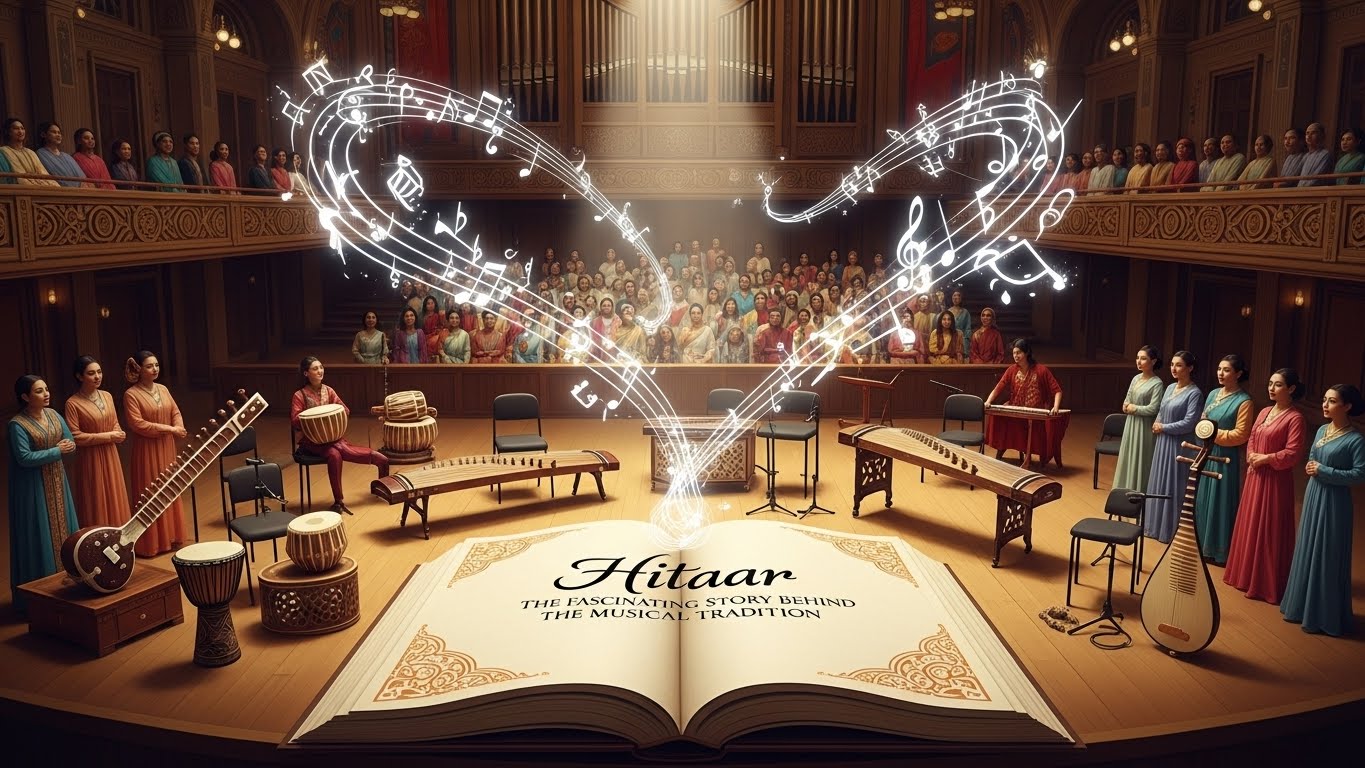
Hitaar performances are vibrant and rich, driven by a variety of traditional instruments that create its distinctive sound. The oud, a pear-shaped string instrument, is central to Hitaar music. Its warm tones resonate deeply with listeners. The qanun adds another layer of texture. This zither-like instrument features strings stretched over a wooden frame. Musicians pluck the strings to produce enchanting melodies that captivate audiences.
Percussion plays an essential role as well. The darbuka or doumbek brings rhythmic energy to performances, enhancing the overall experience. Its sharp beats keep listeners engaged and moving. Flutes also find their place in Hitaar ensembles. They weave melodic lines that dance around the harmonies created by other instruments. Each note tells a story steeped in tradition and culture. Together, these instruments form a unique tapestry of sound that defines Hitaar’s essence and captivates generations across the Middle Eastern world.
The unique style and structure of Hitaar music
Hitaar music is a captivating blend of melody and rhythm that distinguishes itself through its unique structure. The genre often features intricate melodies, layered harmonies, and rich improvisation. This complexity allows musicians to showcase their virtuosity while engaging listeners on multiple levels.
Typically, Hitaar compositions follow a traditional framework yet leave ample room for personal expression. Musicians might begin with a structured theme before exploring various improvisational paths, creating an ever-evolving soundscape.
The use of ornamentation is prominent in Hitaar performances. Musicians employ techniques such as trills and slides to embellish the core melody, adding emotional depth and nuance to each piece.
In essence, Hitaar thrives on spontaneity within its established forms. This dynamic interplay between structure and creativity keeps audiences enthralled at every performance.
Famous Hitaar musicians and their impact on the genre
The world of Hitaar has been shaped by several talented musicians whose creativity and passion have left an indelible mark on the genre. One such figure is the legendary composer Ahmed Al-Mansour. His innovative techniques and emotive melodies have elevated Hitaar, bringing it to new audiences.
Another prominent name is Layla Hassan, known for her mesmerizing voice and intricate rhythms. She seamlessly blends traditional elements with contemporary styles, making her a bridge between generations.
Then there’s Youssef El-Din, whose mastery of various instruments has added depth to countless performances. His ability to evoke emotion through music resonates with listeners deeply.
These artists not only preserve the essence of Hitaar but also challenge its boundaries, ensuring that this musical tradition continues to evolve while staying true to its roots. Their contributions inspire both aspiring musicians and dedicated fans around the world.
How Hitaar is evolving and staying relevant in modern times
Hitaar is experiencing a vibrant evolution in today’s music scene. Artists are blending traditional sounds with contemporary genres, creating fresh and exciting fusions. This approach attracts younger audiences while respecting its rich heritage.
Collaborations with international musicians have also opened new avenues. Hitaar’s unique rhythms and melodies are finding their way into pop, electronic, and even hip-hop tracks. These cross-genre experiments breathe new life into the tradition.
Digital platforms play an essential role too. Streaming services allow for greater accessibility to Hitaar music worldwide. Emerging artists can share their work easily, connecting with fans across borders.
Social media is another game-changer. Musicians showcase their talents through engaging content like videos and live performances. This not only promotes Hitaar but also sparks conversations about its cultural significance today.
These changes ensure that this captivating genre continues to resonate with audiences around the globe.
Preserving the tradition of Hitaar for future generations
Preserving the tradition of Hitaar is crucial for maintaining its rich cultural heritage. As modern influences permeate the music scene, efforts are being made to ensure this beautiful art form endures.
Community workshops and festivals play a vital role in educating younger generations about Hitaar. These events not only celebrate the music but also foster connections among musicians and enthusiasts.
Digital platforms have emerged as powerful tools for preservation. Streaming services and social media allow artists to share their work with wider audiences while introducing new listeners to traditional sounds.
Collaboration between seasoned musicians and novices creates a vibrant exchange of ideas. This interplay ensures that while roots remain intact, innovation finds its place within the genre.
Educational institutions increasingly incorporate Hitaar into their curricula, highlighting its importance in arts education. Through these initiatives, future generations can appreciate and contribute to this enchanting musical legacy.
Conclusion
Hitaar is more than just a musical style; it embodies the rich tapestry of cultural heritage in the Middle East. Its origins are steeped in history, showcasing how music can connect communities and convey deep emotions. The instruments used bring a unique sound that resonates through generations, while its distinct structure captivates audiences.
Famous Hitaar musicians have shaped this genre, pushing boundaries and expanding its reach beyond traditional settings. As the world evolves, so does Hitaar. Contemporary artists infuse modern elements into their works while honoring the roots of this beautiful tradition.
The commitment to preserving Hitaar for future generations reflects a collective desire to maintain cultural identity amidst globalization. This continuous effort ensures that even as times change, the heart of Hitaar beats on—a testament to its enduring legacy and relevance today.