










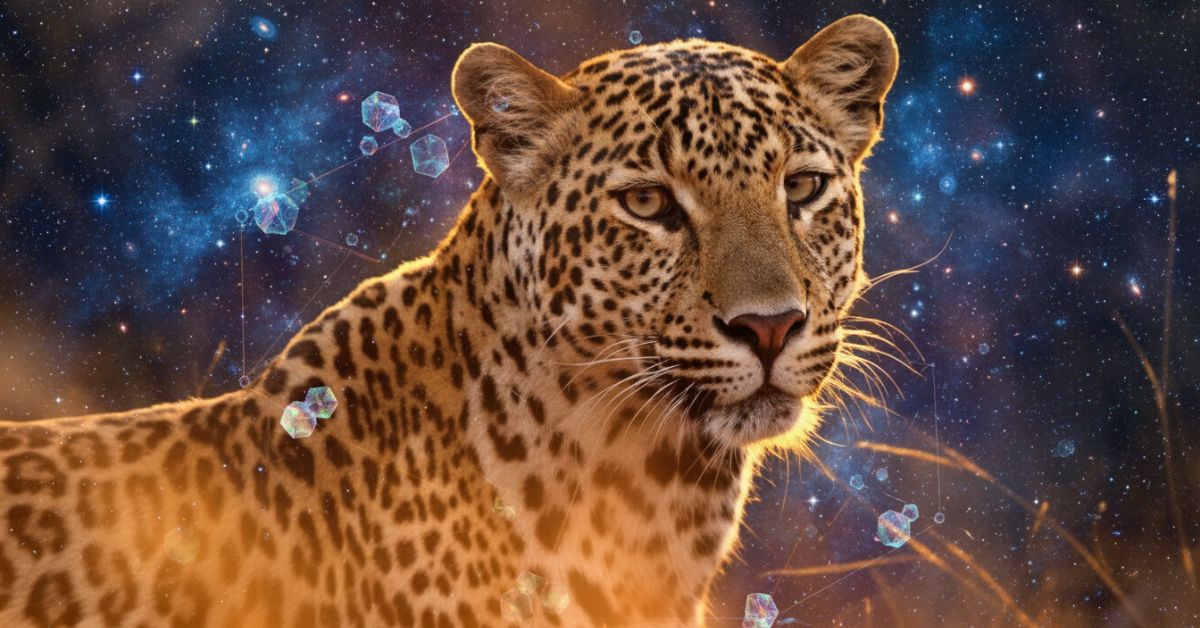
People search for liopad because they hear or read the term but struggle to find a clear explanation. It appears in informal writing, local speech, and online searches, yet most available information feels incomplete or confusing. The result is uncertainty about what liopad actually refers to and why it matters.
This topic is important because misunderstanding animal terms leads to incorrect knowledge about wildlife, habitats, and conservation. Clear explanation removes confusion and replaces assumptions with accurate understanding.
Table of Contents
ToggleWhat Is Liopad?
Liopad is a non-standard spelling and pronunciation used to refer to the leopard, a large wild cat native to parts of Africa and Asia. It is not a separate species, breed, or category. The term exists mainly in informal language, regional speech, and phonetic spelling, especially where English is used alongside local languages.
In simple terms, liopad means leopard. Both point to the same animal. The difference lies only in spelling and pronunciation, not biology or classification.
Why the Term Liopad Exists
Language adapts to how people speak, not just how words are written. In many regions, especially where English is not the first language, words are spelled the way they sound. Liopad reflects this natural adaptation.
This does not make the term wrong in everyday communication, but it does create confusion online, where spelling often determines whether information is found or missed.
The Leopard Behind the Name
Understanding liopad requires understanding the leopard itself. Leopards are powerful, solitary big cats known for strength, adaptability, and stealth. They belong to the same family as lions, tigers, and jaguars, but they differ significantly in behavior and habitat use.
Unlike some large cats that rely on open spaces, leopards thrive in a wide range of environments, from forests and grasslands to mountains and even areas close to human settlements.
Physical Characteristics
Leopards are medium-to-large cats with a muscular build and distinctive spotted coats. Their fur pattern consists of dark rosettes that provide camouflage in both forested and open landscapes.
They have strong jaws, sharp claws, and exceptional climbing ability. This physical design allows them to hunt effectively and protect their prey by storing it in trees, away from scavengers.
Habitat and Distribution
Leopards have one of the widest geographic ranges among big cats. They are found across sub-Saharan Africa and parts of South and Southeast Asia. This wide distribution explains why different communities use different names or spellings for the same animal.
Their adaptability allows them to survive in diverse climates, from dense rainforests to dry savannas, as long as prey and cover are available.
Behavior and Lifestyle
Leopards are primarily solitary animals. They prefer to hunt alone and are most active during the night or early morning. Their stealth-based hunting style relies on patience rather than speed.
They are also highly territorial. Each individual maintains a defined area, marking it through scent and physical signs to deter others.
Diet and Hunting Strategy
Leopards are carnivores with a flexible diet. They hunt animals ranging from small birds and rodents to larger prey such as antelope. This flexibility contributes to their survival in varied environments.
A key behavioral trait is their habit of dragging prey into trees. This protects their food from competitors like hyenas and lions and allows them to eat in relative safety.
Why Confusion Persists Online
Search engines rely heavily on standardized spelling. When people search for liopad instead of leopard, they often encounter limited or unclear information. This creates a cycle where confusion reinforces itself.
Many existing explanations fail to clearly state that the term refers to the leopard, leaving readers uncertain whether they are dealing with a different animal.
Cultural and Linguistic Influence
In many African and global communities, animal names evolve through spoken language rather than written tradition. Pronunciations shift, spellings adapt, and new forms emerge naturally.
Liopad reflects this process. It is not a scientific term, but it is a real part of everyday language for many speakers.
Scientific Classification Remains Unchanged
Regardless of spelling, the scientific identity of the leopard does not change. It remains a single species within the big cat family. Informal names do not alter biological classification.
This distinction is important for education, conservation, and research, where clarity and consistency are essential.
Conservation Status and Challenges
Leopards face increasing threats from habitat loss, human-wildlife conflict, and illegal hunting. Their adaptability helps them survive, but it also brings them into closer contact with humans.
Clear understanding of the animal, regardless of naming variations, supports better awareness and conservation efforts.
Why Accurate Understanding Matters
Misunderstanding animal terms can lead to misinformation spreading quickly. When people believe liopad is a different animal, it fragments knowledge and reduces clarity.
Accurate explanation connects local language with global understanding, allowing information to be shared more effectively.
Practical Clarification for Readers
If you encounter the word liopad, interpret it as leopard unless context clearly suggests otherwise. There is no separate animal by that name in wildlife classification.
Recognizing this helps avoid confusion and ensures access to accurate information about the species.
Conclusion
Liopad is not a mystery animal or a separate species. It is a linguistic variation of the word leopard, shaped by pronunciation and regional language use. Understanding this removes confusion and reconnects the term to accurate knowledge about one of the world’s most adaptable big cats. Clear language supports better understanding, education, and appreciation of wildlife.
FAQs
Is liopad a different animal from a leopard?
No. It is an informal spelling used to refer to the leopard.
Why do people spell leopard as liopad?
The spelling reflects pronunciation in certain regions and spoken forms of English.
Does liopad have a scientific meaning?
No. Scientific classification uses the standard name leopard.
Where do leopards live?
They live across parts of Africa and Asia in diverse habitats.
Is using the word liopad incorrect?
It is informal, not scientific. In casual speech it may be understood, but standard spelling is clearer.
For More better Information visit : Codeff