





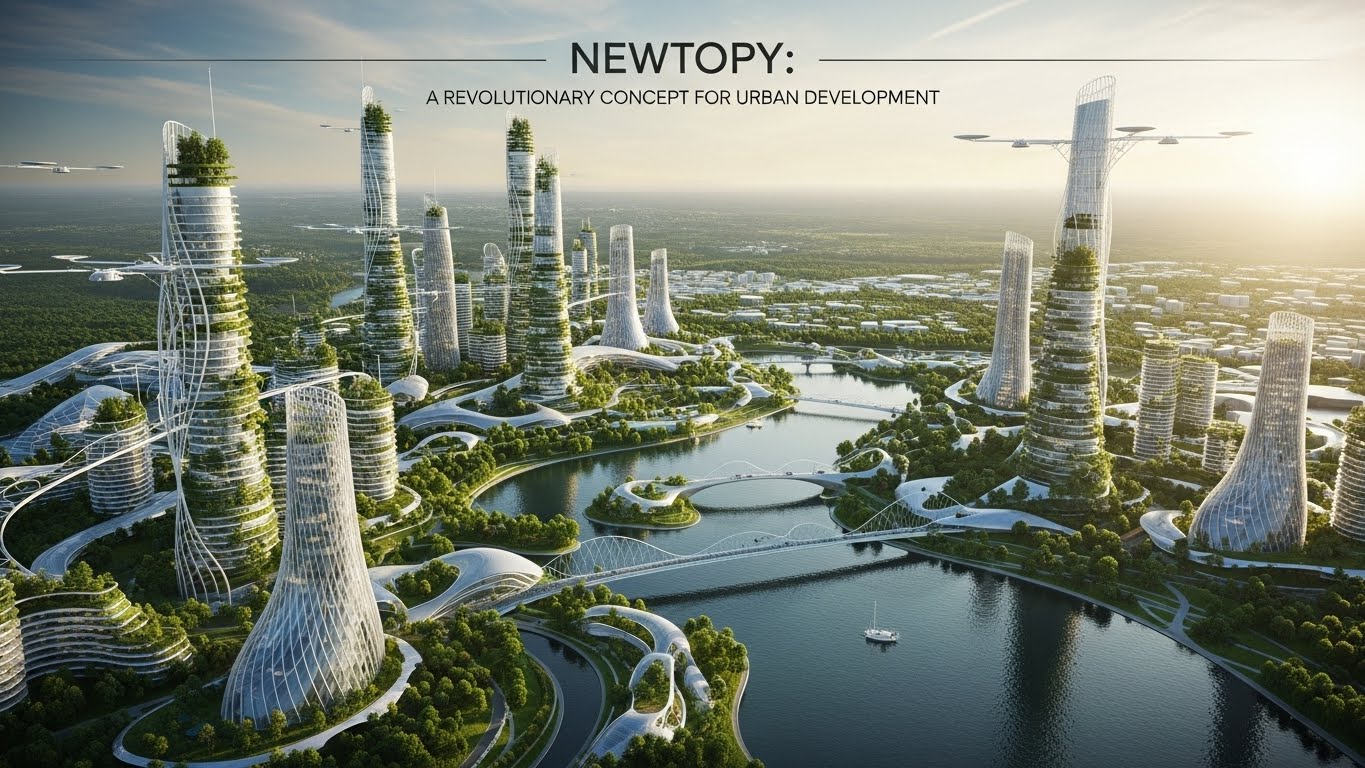
Imagine a city where nature and urban life coexist harmoniously. A place designed not just for today’s needs but with tomorrow in mind. Welcome to Newtopy, an innovative concept that redefines urban development as we know it. As cities grow and populations swell, traditional approaches to urban planning often fall short, leading to overcrowding, pollution, and social inequality. But what if there was a revolutionary framework that could turn this around? Newtopy is here to challenge the status quo—offering sustainable solutions that prioritize people and the planet alike. Let’s dive into how this groundbreaking approach can reshape our communities for the better.
The Problem with Traditional Urban Development
Traditional urban development often prioritizes profit over people. This approach leads to sprawling cities filled with cookie-cutter homes and uninspired commercial spaces. Green areas become scarce, and communities suffer. The focus on maximizing land use frequently ignores the needs of residents. Public transportation systems are underfunded, leaving many reliant on cars. Traffic congestion increases, contributing to pollution and environmental degradation.
Moreover, traditional methods typically overlook affordable housing solutions. As property values rise, low-income families find themselves pushed out of their neighborhoods. Gentrification disrupts established communities, erasing local cultures in favor of corporate interests.
Additionally, a lack of innovation stunts growth potential. Developers tend to stick with tried-and-true formulas rather than exploring new ideas that prioritize sustainability and inclusivity. The result? Cities that fail to meet the evolving demands of modern life while compromising the well-being of their inhabitants.
The Benefits of Newtopy for Cities and Communities
Newtopy offers transformative benefits for cities and communities. It reimagines urban living, prioritizing people over cars. This shift creates walkable environments that enhance quality of life. Reduced congestion leads to cleaner air and lower noise levels. Green spaces flourish in Newtopy designs, providing residents with places to relax and interact. Affordability also plays a crucial role. By integrating diverse housing options, Newtopy ensures that everyone has access to essential services without breaking the bank.
Furthermore, community engagement is at the heart of this concept. Local voices shape developments, fostering pride and ownership among residents. Innovation thrives within a Newtopy framework as smart technology integrates seamlessly into everyday life. This creates not only efficient systems but also adaptable spaces ready for future challenges. With these features combined, cities can become vibrant hubs of sustainability and creativity—an inviting landscape for all inhabitants.
Key Features of Newtopy: Sustainability, Affordability, and Innovation
Newtopy stands out with its commitment to sustainability. This concept prioritizes green spaces, energy-efficient buildings, and renewable resources. By harnessing nature’s power, urban areas can reduce their carbon footprint significantly.
Affordability is another cornerstone of Newtopy. The approach encourages mixed-income housing and innovative financing options. This means more people can access quality living environments without breaking the bank.
Innovation plays a crucial role as well. Incorporating smart technologies enhances everyday life in these communities. From efficient waste management systems to integrated public transport solutions, Newtopy fosters a modern lifestyle that meets current demands while anticipating future needs.
Together, these features create vibrant urban environments where residents thrive amid eco-friendly practices and cutting-edge developments.
Case Studies of Successful Newtopy Developments Around the World
One of the most notable examples of Newtopy in action is the city of Malmö, Sweden. Here, a combination of green spaces and innovative housing solutions has transformed former industrial areas into vibrant communities. Residents enjoy open parks alongside modern apartments powered by renewable energy.
In Singapore, smart urban planning embraces Newtopy principles through mixed-use developments that integrate living, working, and recreation. The result? A seamless lifestyle where citizens can access amenities just steps from their front doors.
Another inspiring case is located in Medellín, Colombia. This city has adopted Newtopy elements to revitalize neglected neighborhoods with sustainable transport systems and community-driven projects. These initiatives have fostered social inclusion while enhancing local culture.
Each example showcases how adaptable the Newtopy model is across different contexts—addressing unique challenges while promoting sustainability and livability for all residents.
Challenges and Limitations of Implementing Newtopy
Implementing Newtopy poses several challenges that urban planners must navigate. One significant hurdle is regulatory approval. Many cities have established zoning laws and regulations that may not align with the innovative aspects of Newtopy.
Funding also presents a complex issue. Securing investment for projects centered on sustainability and community engagement can be difficult, especially in economically strained areas.
Moreover, public perception plays a crucial role. Communities might resist changes to their environment or feel overwhelmed by new concepts. Building trust and fostering collaboration are essential for successful adoption.
Infrastructure limitations often hinder progress. Existing systems may require upgrades to accommodate Newtopy’s advanced features, adding another layer of complexity to implementation efforts.
The Future of Urban Development: Is Newtopy the Answer?
Urban landscapes are rapidly evolving. As cities face challenges like overcrowding and environmental degradation, innovative concepts emerge to address these issues.
Newtopy stands out as a transformative vision for future urban development. It encourages communities to rethink how they design and interact with their spaces. By prioritizing sustainability, Newtopy fosters environments that are not only livable but also resilient against climate change.
Imagine green rooftops, integrated public transport, and communal gardens replacing concrete jungles. This approach could enhance quality of life while reducing city footprints.
Cities around the globe grapple with housing shortages and skyrocketing costs. Newtopy offers affordability without sacrificing aesthetic or functional value—a critical balance in today’s economy.
As more urban planners consider this model, it sparks dialogue about what our cities can become: inclusive hubs fostering innovation and collaboration among residents. The potential impact on society is profound as we look toward a brighter urban landscape.
Conclusion
Newtopy represents a transformative approach to urban development. It addresses the shortcomings of traditional methods by focusing on sustainability, affordability, and innovation. As cities grapple with growing populations and environmental challenges, Newtopy offers viable solutions that could reshape our urban landscapes.
The concept emphasizes not just building homes but creating vibrant communities where people can thrive. By looking at successful case studies around the globe, we see how this model can lead to enhanced quality of life for residents while also promoting ecological balance.
However, it’s crucial to recognize the challenges in implementing Newtopy principles across diverse urban environments. Each city has unique needs and constraints that must be considered for effective adoption.
As we move forward into an increasingly urbanized future, concepts like Newtopy may hold the key to building cities that aren’t just livable but are thriving ecosystems conducive to well-being. The dialogue about what our cities should become is ongoing; Newtopy is certainly part of that conversation.