









In the ever-evolving landscape of contemporary art, few movements have sparked as much intrigue and debate as Pentikioyr. This captivating style goes beyond traditional boundaries, merging cultural heritage with modern aesthetics. As artists explore new dimensions of expression, Pentikioyr emerges as a powerful force shaping artistic trends today.
But what exactly is Pentikioyr? How did it originate, and why has it become such an influential part of the current art scene? From its historical roots to its impact on contemporary creators, this exploration will take you deep into the heart of Pentikioyr. Join us on this journey to uncover the layers that make up this fascinating movement and see how it’s redefining artistry in our time.
History and Origins of Pentikioyr
Pentikioyr traces its roots back to ancient traditions, where artisans thrived in communal settings. This art form emerged from a blend of cultural influences, reflecting the complexities of human creativity. Initially, it was practiced in small villages. Craftsmen would gather to share techniques and stories while they worked on their pieces. The close-knit environment fostered innovation and collaboration, setting the stage for what would evolve into Pentikioyr.
As time progressed, this unique style absorbed characteristics from various movements. Influences ranged from local folklore to global artistic trends. These interactions enriched its aesthetic appeal and narrative depth. Throughout history, Pentikioyr has served as a mirror of societal changes—a canvas capturing not just beauty but also historical moments. Its evolution showcases how art is deeply intertwined with culture and identity across generations.
Key Characteristics of Pentikioyr Art
Pentikioyr art is distinguished by its vibrant color palette. Artists often utilize bold, contrasting hues to evoke emotional responses. This intentional use of color creates a striking visual experience that captivates viewers. Texture plays a crucial role as well. Many pieces feature layered techniques, allowing for depth and tactile engagement. This adds complexity and invites individuals to explore the artwork closely.
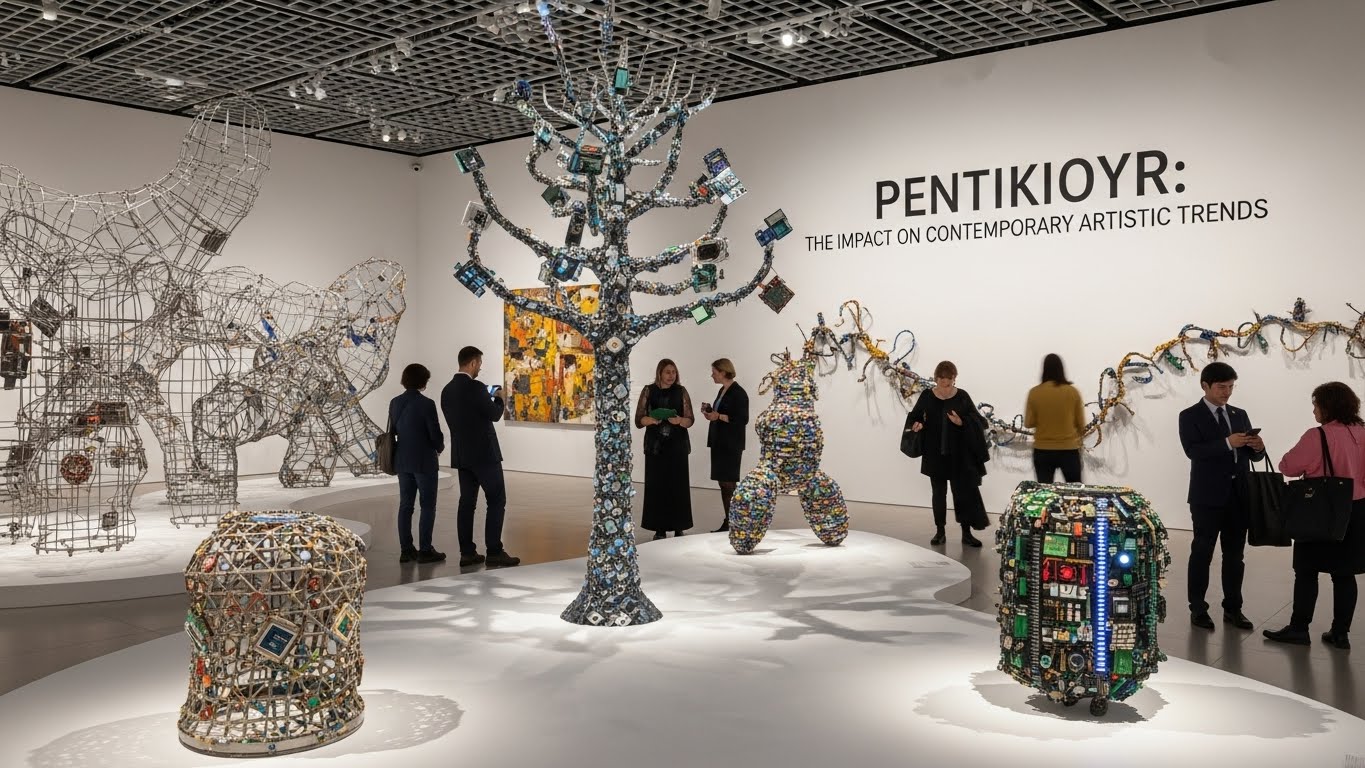
Another hallmark of Pentikioyr is its fusion of traditional motifs with modern interpretations. Artists draw inspiration from cultural heritage while infusing contemporary themes, bridging past and present seamlessly. The incorporation of mixed media is prevalent in this style too. By combining various materials such as wood, metal, or fabric, artists add unique dimensions to their work. There’s an emphasis on narrative elements within Pentikioyr art. Each piece often tells a story or conveys a message that resonates deeply with audiences across diverse backgrounds.
Contemporary Artists Who Incorporate Pentikioyr into Their Work
Numerous contemporary artists are weaving Pentikioyr into their creative fabric. This movement offers a fresh lens through which to explore traditional techniques and modern expressions. One notable figure is Mia Tran, known for her vibrant installations that meld classic elements of Pentikioyr with digital art. Her work invites viewers to experience a dialogue between the past and present. Another artist, Leo Santos, draws inspiration from Pentikioyr’s intricate patterns. He incorporates them into mixed-media pieces that challenge conventional boundaries and provoke thought.
Emerging talents like Zara Kim also embrace this style. Her paintings reflect the essence of Pentikioyr while adding personal narratives that resonate deeply with audiences. These artists demonstrate how versatile Pentikioyr can be when blended with various mediums, contributing to an evolving artistic landscape. Each brings their unique perspective, enriching the conversation surrounding this captivating form of expression.
Influence of Pentikioyr on Other Artistic Movements
Pentikioyr has carved a unique niche in the art world, influencing several other artistic movements. Its innovative techniques and distinct aesthetics have inspired contemporary artists across various genres. One notable impact is seen in modern abstract expressionism. Artists are integrating Pentikioyr’s vibrant colors and bold patterns, creating works that resonate with emotional depth.
Additionally, elements of Pentikioyr can be traced in installation art. The immersive experiences crafted by these installations echo the thematic richness found within Pentikioyr’s creations. Furthermore, street art has embraced aspects of Pentikioyr’s style as well. Graffiti artists adopt its playful motifs to convey deeper messages, merging traditional forms with urban culture. This interplay between Pentikioyr and diverse artistic expressions showcases its versatility and enduring relevance in today’s creative landscape.
Criticisms and Controversies Surrounding Pentikioyr
Pentikioyr has not escaped scrutiny in the art world. Some critics argue that its vibrant aesthetics overshadow deeper meanings. They claim it leans too heavily on visual appeal rather than substance. Others contend that Pentikioyr can be overly commercialized. This commercialization risks diluting its cultural significance, turning meaningful expression into mere trends for profit. Furthermore, debates arise regarding authenticity. Are artists drawing from genuine inspiration or simply capitalizing on a popular style? These questions fuel discussions about artistic integrity within the movement.
Controversies also stem from appropriation issues. As elements of Pentikioyr spread globally, some worry about erosion of original cultural contexts and practices. The dialogue around these concerns remains dynamic and heated within both scholarly circles and casual discourse alike. Such criticisms continue to shape perceptions of Pentikioyr, ensuring it stays at the forefront of contemporary art conversations.
The Future of Pentikioyr in the Art World
The future of Pentikioyr holds exciting possibilities. As artists continue to experiment, this style will likely evolve and transform. New technology may play a crucial role in its advancement. Digital platforms can amplify the reach of Pentikioyr art. Virtual galleries allow for innovative presentations that were once unimaginable. Artists might blend traditional techniques with digital enhancements, creating hybrid forms.
Collaboration among creators from diverse backgrounds could further enrich Pentikioyr’s narrative. This fusion of ideas often leads to groundbreaking work that captivates audiences. As societal values shift, themes within Pentikioyr may reflect contemporary issues more prominently. Activism through art is gaining momentum, and this movement won’t be an exception. Emerging talent is eager to leave a mark on the artistic landscape. With fresh perspectives and bold interpretations, they’ll help redefine what Pentikioyr means in tomorrow’s world.
Conclusion
Pentikioyr has carved out a significant niche in the contemporary art landscape. Its unique characteristics and rich history resonate with both artists and audiences alike. As more creators explore this style, it continues to evolve, blending traditional techniques with modern sensibilities. The influence of Pentikioyr extends beyond individual artists; it interacts dynamically with various artistic movements. This cross-pollination fosters innovation and enriches the broader art dialogue.
Critics may highlight controversies surrounding its commercialization or authenticity. Yet, these discussions only serve to deepen appreciation for its complexities. As we look ahead, Pentikioyr is likely to remain at the forefront of artistic exploration. With each new interpretation, it invites fresh perspectives and challenges our understanding of what art can be. The journey of Pentikioyr is just beginning, promising exciting developments on the horizon for both artists and enthusiasts alike.