









The packaging industry is undergoing a significant transformation, and at the heart of this change lies the concept of Recyclatanteil. This innovative approach to materials is not just reshaping how products are packaged but also redefining our relationship with sustainability. With growing awareness about environmental issues, consumers demand eco-friendly alternatives that minimize waste and reduce their carbon footprint. As brands strive to meet these expectations, Recyclatanteil emerges as a game-changer in creating more responsible packaging solutions. Let’s dive into what makes Recyclatanteil so unique and the ripple effects it has on our planet and industries alike.
What is Recyclatanteil and how is it different from traditional packaging materials?
Recyclatanteil refers to the incorporation of recycled materials in packaging products. This innovative approach contrasts sharply with traditional packaging, which often relies on virgin resources. While conventional materials like plastic and glass are created from raw substances, Recyclatanteil uses previously discarded items that have been processed and reused. This shift not only reduces the demand for new resources but also helps divert waste from landfills.
The key difference lies in sustainability. Traditional packaging tends to contribute significantly to environmental issues, while Recyclatanteil promotes a circular economy by reintroducing materials back into production cycles. This method enhances recyclability and diminishes overall environmental impact, making it a more responsible choice for manufacturers seeking eco-friendly solutions without compromising quality or durability.
The Impact of Recyclatanteil on the Environment
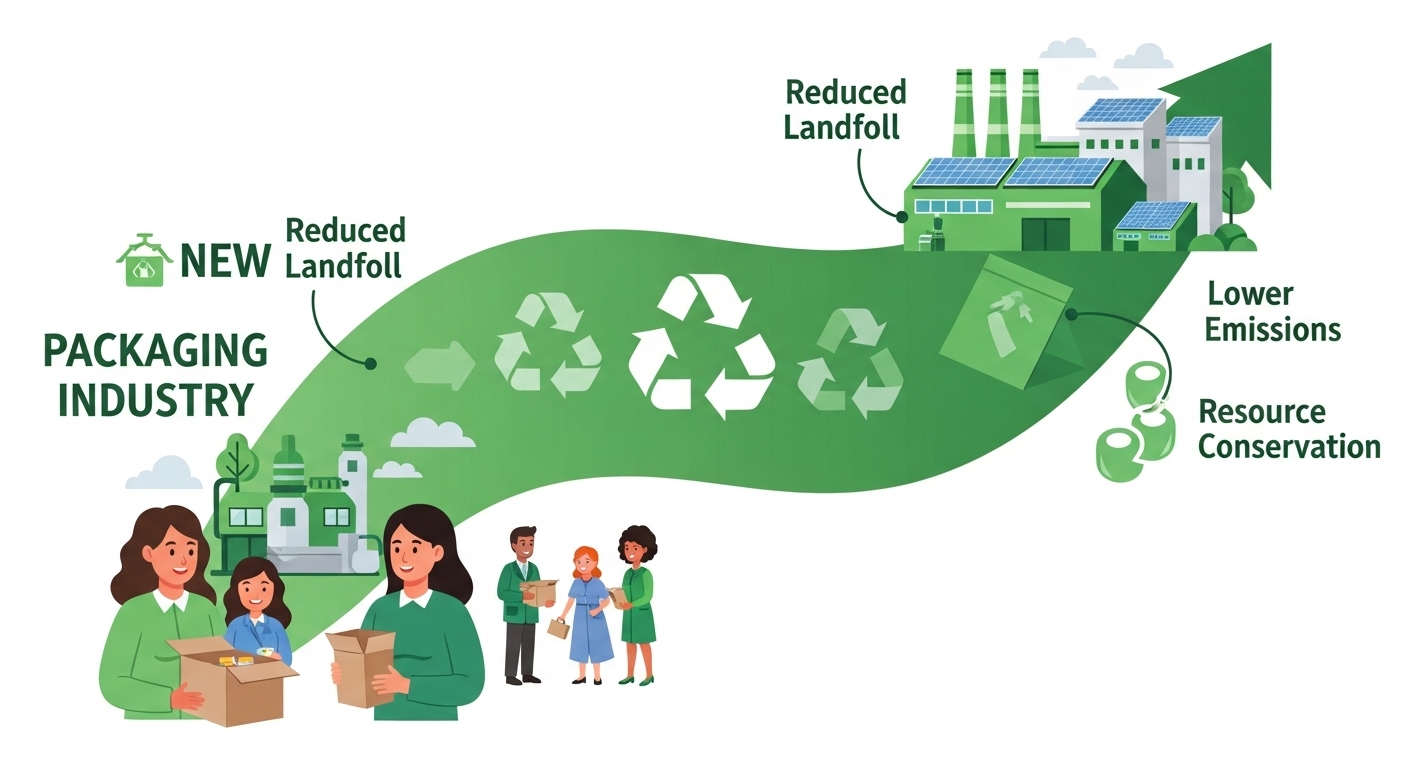
Recyclatanteil is revolutionizing how we think about packaging and its relationship with the environment. By incorporating recycled materials into packaging design, companies can significantly reduce their reliance on virgin resources.
This shift leads to lower energy consumption during production processes. Using existing materials means less extraction of raw resources, which often disrupts ecosystems. Moreover, Recyclatanteil helps minimize waste in landfills. When products are made from recyclable elements, they contribute to a circular economy where materials are reused rather than discarded.
The decrease in carbon emissions associated with manufacturing new plastics also plays a crucial role. As more businesses adopt sustainable practices through Recyclatanteil, the collective positive impact on our planet becomes increasingly significant. With growing consumer awareness around environmental issues, embracing Recyclatanteil not only benefits nature but aligns brands with eco-conscious values that resonate deeply today.
Advantages of Using Recyclatanteil in Packaging
One of the key advantages of using Recyclatanteil in packaging is its positive environmental impact. By incorporating recycled materials, businesses significantly reduce waste and conserve natural resources. This step fosters a circular economy where materials are reused instead of discarded. Cost-efficiency is another benefit. As raw material costs fluctuate, sourcing recyclable components can provide stability to manufacturers. In many cases, it offers a competitive edge in pricing without compromising quality.
Brand appeal also receives a boost with sustainable practices. Consumers increasingly prefer products that reflect eco-conscious values. Using Recyclatanteil demonstrates corporate responsibility and resonates with environmentally aware customers. Regulatory compliance becomes more manageable as governments worldwide tighten restrictions on single-use plastics and non-recyclable packaging. Adopting Recyclatanteil helps companies navigate these evolving regulations smoothly while maintaining market relevance.
Challenges and Limitations of Recyclatanteil
Despite its benefits, the use of Recyclatanteil faces several challenges. One major limitation is the availability of quality recycled materials. Not all plastics can be effectively reclaimed, leading to variable product quality.
Another hurdle is consumer perception. Many people remain skeptical about packaging made from recycled content. This skepticism can affect purchasing decisions and brand loyalty. Additionally, manufacturing processes need adaptation. Integrating Recyclatanteil often requires new technologies and techniques that can increase production costs.
Regulatory standards also play a role in limiting adoption. Different regions have varying guidelines regarding recyclability and sustainability claims, complicating compliance for companies looking to switch to these innovative materials. There’s an ongoing debate surrounding the true environmental impact of using recycled versus virgin materials. It’s crucial for stakeholders to address these concerns while pushing forward with sustainable solutions in packaging.
Innovations in Recyclatanteil Technology
Innovations in Recyclatanteil technology are rapidly transforming the packaging landscape. Recent advancements focus on enhancing the quality and recyclability of materials. This means that more products can be made from recycled content without sacrificing performance.
New processing techniques have emerged, enabling manufacturers to integrate higher percentages of recyclatanteil into their designs. These methods improve material strength and durability while maintaining a lightweight profile. Additionally, smart recycling technologies are gaining traction. They help identify and sort recyclable materials with precision, making it easier for companies to use recyclatanteil effectively.
Biodegradable additives are also being explored to create hybrid solutions that blend traditional plastics with sustainable elements. By doing so, brands can appeal to environmentally conscious consumers looking for greener options. These innovations reflect a growing commitment within the industry towards sustainability while meeting consumer demands for functional packaging solutions.
Examples of Companies Using Recyclatanteil in their Packaging
Many leading brands are embracing Recyclatanteil in their packaging. Coca-Cola, for instance, has committed to using recycled materials across its product lines. Their goal is to achieve a minimum of 50% recycled content by 2030. Unilever is another notable example. The company focuses on sustainability and has started integrating Recyclatanteil into its personal care products, aiming for zero waste from its operations.
Nestlé also recognizes the importance of recycled materials. They have launched initiatives that incorporate Recyclatanteil in various food packaging solutions. Smaller companies are making strides too. Brands like Package Free Shop prioritize sustainable practices and utilize high levels of recyclable content in their packaging choices. These examples showcase a growing trend towards eco-friendly packaging within diverse sectors of the industry, illustrating how widespread this shift toward Recyclatanteil truly is.
Future Outlook for Recyclatanteil in the Packaging Industry
The future of Recyclatanteil in the packaging industry looks promising. As sustainability becomes a priority, more companies are shifting their focus toward eco-friendly materials. Advancements in technology will likely enhance the properties and performance of Recyclatanteil. This innovation could lead to new applications across various sectors, from food packaging to cosmetics.
Regulatory pressures are increasing as governments push for stricter recycling mandates. This trend could accelerate the adoption of Recyclatanteil among manufacturers striving for compliance. Consumer demand also plays a crucial role. Shoppers are increasingly aware of environmental issues and often prefer brands that prioritize sustainable practices.
Collaborations between businesses and researchers may drive further breakthroughs in material science. Such partnerships can unlock untapped potential within recycled materials, making them even more viable for mass production. As awareness grows, it’s clear that Recyclatanteil will not only become commonplace but essential in shaping an environmentally responsible future for packaging.
Conclusion
As the packaging industry faces increasing pressure to become more sustainable, Recyclatanteil emerges as a pivotal solution. This innovative material not only reduces reliance on virgin resources but also promotes circular economy principles. By integrating recycled content into their packaging, companies can significantly lower their environmental footprint while appealing to eco-conscious consumers.
The advantages of using Recyclatanteil are clear: it conserves energy and raw materials, minimizes waste, and enhances brand reputation. However, challenges remain in terms of sourcing quality recycled materials and ensuring consistent performance standards across products. Nonetheless, technological advancements continue to pave the way for improved Recyclatanteil applications. Companies that embrace these innovations position themselves ahead of the curve in an evolving market landscape.
With numerous brands already adopting this approach successfully, it’s evident that Recyclatanteil is not just a trend—it’s becoming a standard practice in sustainable packaging solutions. As businesses adapt and innovate further within this realm, the future looks promising for both brands and our planet alike. The journey toward embracing environmentally friendly practices is ongoing; however, one thing remains certain—the push for greater adoption of Recyclatanteil will play a crucial role in shaping the future of packaging.