










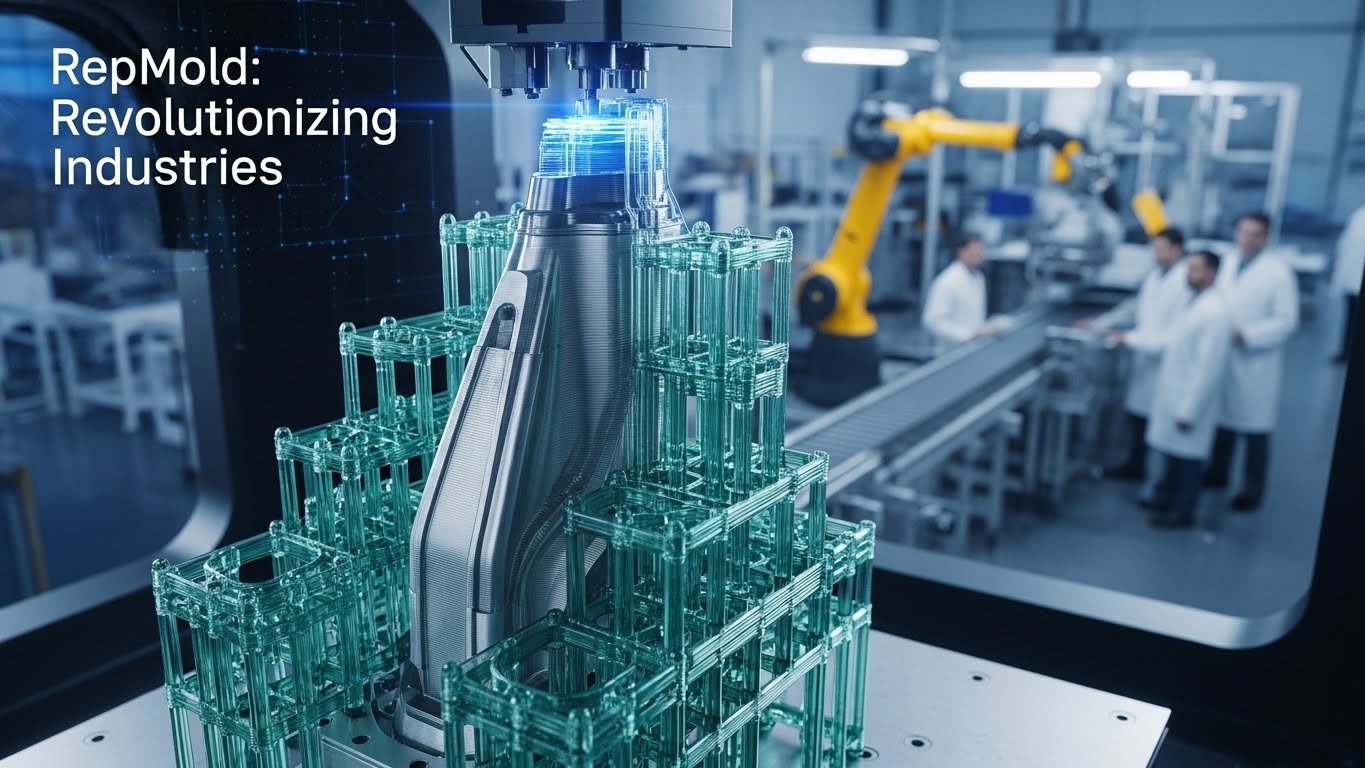
In a world where innovation drives progress, RepMold stands out as a game-changer. This cutting-edge process is not just another manufacturing technique; it’s redefining the way industries operate. By combining advanced technology with creative engineering, RepMold offers solutions that were once thought impossible. From aerospace to consumer goods, this revolutionary approach is paving the way for efficiency and sustainability. Curious about how RepMold can transform your industry? Let’s dive into what makes this process so compelling and explore its far-reaching impact on the future of manufacturing.
The Technology Behind RepMold
RepMold leverages advanced materials science to create high-performance molds. This innovative process utilizes a unique blend of polymer and metal composites, ensuring durability and precision. At its core, RepMold employs additive manufacturing techniques. These methods allow for complex geometries that traditional molding cannot achieve. The technology enables rapid prototyping, reducing lead times significantly.
Moreover, the temperature control during production is finely tuned. This ensures consistent quality across batches while minimizing waste. The system is designed to adapt quickly to changes in design specifications. Intelligent software algorithms also play a crucial role in optimizing the mold-making process. They analyze data inputs in real time, adjusting parameters for maximum efficiency and effectiveness. Together, these technologies not only enhance productivity but also pave the way for new applications across various sectors.
Advantages of Using RepMold in Industries
RepMold offers a myriad of advantages for various industries. One significant benefit is its ability to reduce production time. Traditional molding processes can take hours or even days, but RepMold streamlines this with rapid prototyping. Cost efficiency is another major advantage. By minimizing material waste and lowering labor costs, businesses can see improved profit margins without compromising quality.
Flexibility stands out as well. RepMold allows for easy adjustments in design or materials, making it ideal for custom projects or small production runs. The technology also enhances product durability and performance. With advanced materials that withstand harsh conditions, products made using RepMold often exceed customer expectations. The sustainability aspect cannot be overlooked. Eco-friendly practices align with modern consumer values while helping companies meet regulatory standards more effortlessly.
Case Studies: Real-World Examples of RepMold’s Success
One notable success story comes from the automotive industry. A leading manufacturer adopted RepMold technology to streamline their production of complex components. By using RepMold, they reduced waste and cut down on production time significantly.
In the aerospace sector, another company utilized RepMold for creating lightweight parts with high precision. This not only enhanced performance but also contributed to fuel efficiency in aircraft. The results were impressive, showcasing both innovation and sustainability.
Additionally, a consumer electronics brand implemented RepMold to produce intricate casings for their devices. The process allowed them to bring products to market faster while maintaining quality standards that resonated with customers.
These examples illustrate how diverse industries are leveraging RepMold’s capabilities. Each case highlights unique benefits tailored to specific needs—demonstrating the versatile applications of this innovative approach across various sectors.
Challenges and Limitations of RepMold
RepMold, while innovative, does face certain challenges. One significant hurdle is the initial setup cost. Organizations may find it expensive to invest in the required technology and training.
Another limitation lies in material compatibility. Not all materials can be effectively utilized within this process, which narrows its applicability across different industries.
Additionally, there are concerns regarding scalability. For large-scale production runs, maintaining consistency can be tricky with RepMold processes.
Furthermore, as with any new technology, achieving widespread acceptance takes time. Industries often resist change due to established practices and potential disruptions.
Regulatory hurdles can also pose a challenge. Compliance with industry standards may require additional adjustments or certifications before adoption becomes feasible for companies looking to implement RepMold solutions.
Future Applications and Potential Impact on Industries
The future applications of RepMold are poised to redefine various industries. By enhancing production efficiency, this process can lead to quicker turnaround times and reduced costs across sectors.
In automotive manufacturing, for instance, RepMold could streamline the creation of custom parts. This means faster prototyping and fewer resources wasted on traditional molding methods.
The healthcare sector stands to gain as well. With the ability to produce intricate devices and implants rapidly, patient care can improve significantly through tailored medical solutions designed with precision.
Sustainability also plays a key role in RepMold’s potential impact. The technology encourages waste reduction while promoting recycling efforts within manufacturing processes.
As industries adapt to shifting consumer demands, RepMold will likely become an essential tool for innovation and advancement in product development strategies around the globe.
The Future of Manufacturing with RepMold
The future of manufacturing is being reshaped by RepMold. As industries evolve, this innovative process offers unmatched efficiency and customization. With the ability to create complex shapes rapidly, manufacturers can now meet specific consumer demands more effectively. This agility in production leads to shorter lead times and reduced waste.
Sustainability is another significant advantage. RepMold minimizes excess material usage, aligning with global efforts toward greener practices. Companies adopting this method find themselves at the forefront of eco-friendly innovation. Moreover, advancements in technology will continue to enhance RepMold’s capabilities. Integration with artificial intelligence could streamline design processes further, making it easier for businesses to innovate continuously. As competition intensifies globally, those who embrace RepMold may gain a substantial edge in market responsiveness and product quality. The potential applications are vast, paving the way for a new era where manufacturing meets tomorrow’s challenges head-on.
Conclusion
RepMold is more than just a manufacturing process; it represents a significant shift in how industries approach production. By leveraging advanced technology, RepMold offers unique advantages that traditional methods cannot match. As we explore its real-world applications and the success stories emerging from various sectors, it’s clear that this innovative technique is making waves.
While there are challenges to overcome, such as initial setup costs and the need for skilled personnel, the long-term benefits of adopting RepMold far outweigh these hurdles. The future looks promising as more industries consider integrating this cutting-edge method into their operations.
The ongoing evolution of manufacturing processes like RepMold showcases a trend toward sustainability and efficiency. Businesses that embrace these innovations will not only enhance their productivity but also contribute positively to environmental goals. As we continue to witness the transformative impact of RepMold across different sectors, it becomes evident that this innovative process is here to stay—shaping the future landscape of manufacturing for years to come.