









You’ve probably seen them gliding through city streets or dancing at local parks—people of all ages rediscovering the joy of skating. If you’re curious about rolerek and wondering whether it’s right for you, you’re in the perfect spot.
Rolerek is a Polish word that translates to “small roller device.” It typically refers to roller skates, inline skates, or kick scooters—basically any wheeled device you power with your own movement. While the term started in Polish-speaking communities, it’s become shorthand for the entire world of recreational skating. Whether you’re looking for a fun weekend activity, an eco-friendly commute option, or a genuine full-body workout, understanding rolerek opens up possibilities you might not have considered.
Here’s what makes rolerek compelling right now: skating participation jumped 37% between 2020 and 2024. Cities worldwide are adding dedicated skate lanes. And unlike buying an e-bike or scooter, you can get quality skates for under $200 and maintain them for pennies.
Why People Are Choosing Rolerek
Forget the fitness fads that disappear after three months. Skating delivers real results without feeling like punishment.
You’ll burn serious calories. An hour of skating torches between 330 and 600 calories depending on your intensity and weight. That’s comparable to running, except your joints won’t hate you afterward. Studies show inline skating activates roughly 80% of your body’s muscles—your quads, glutes, and core all work together to keep you balanced and moving.
Your knees and hips will thank you. Running pounds your joints with every step. Skating produces about half the impact force, making it perfect if you want cardio without the joint pain. People recovering from knee injuries often turn to skating precisely because it builds strength without excessive stress.
It’s actually affordable. Decent recreational skates cost $80-200. Compare that to e-scooters at $300-800 or quality bikes starting around $400. Once you’ve bought your skates, maintenance is minimal—maybe some new wheels every few months and occasional bearing cleaning.
Cities are catching on. Berlin, Portland, and Barcelona now include skate lanes in their urban planning. More cities recognize skates as legitimate transportation, not just recreation. If you live somewhere with decent infrastructure, skating to work or errands becomes genuinely practical.
Inline vs. Quad: Which Type Fits You?
Here’s where rolerek gets interesting—there’s no single “right” type. Your choice depends on what you want to do.
Inline skates arrange 3-5 wheels in a straight line down the center of your foot. They look similar to ice skates and deliver speed. You’ll move faster with less effort, making them ideal for commuting or long-distance recreational skating. The downside? They demand better balance, especially when you’re starting out. If you want to cover ground quickly or eventually try skating trails and paths, inline is your answer.
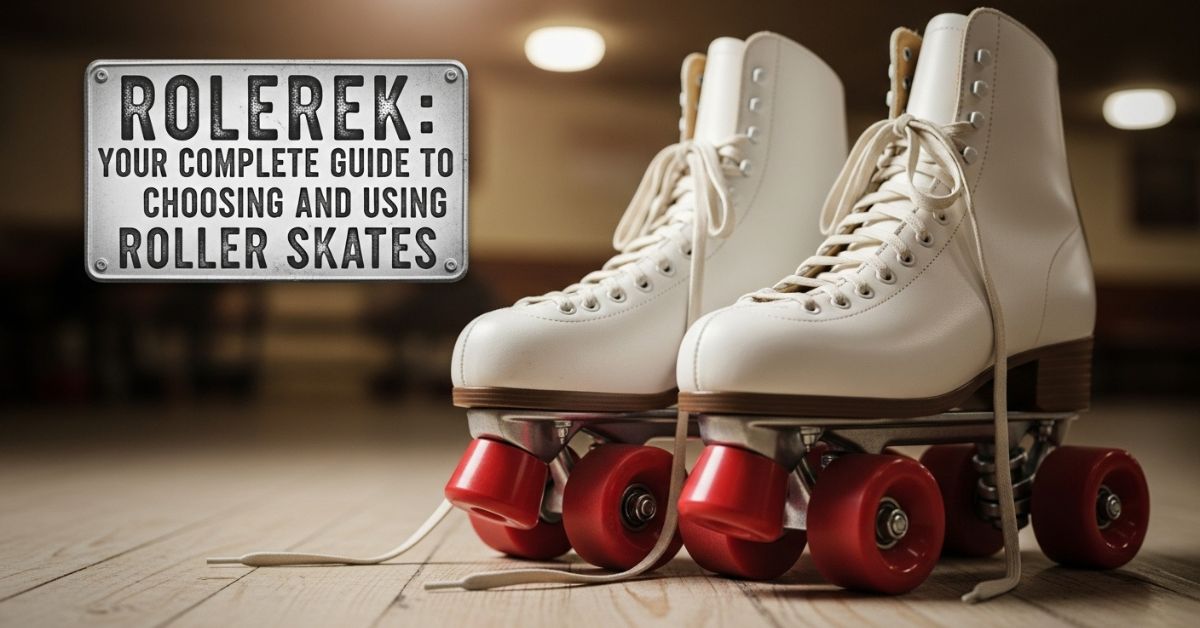
Quad skates feature the classic two-wheels-front, two-wheels-back setup. They offer a wider, more stable base—perfect if you’re nervous about falling or want to learn basic moves first. Quad skates dominate artistic skating, roller derby, and dance skating because that stable platform gives you control for spins and footwork. They’re generally easier for beginners to pick up.
I’ve found quad skates work better if you plan to skate at indoor rinks or focus on dance moves. But if you’re thinking about outdoor adventures or want that speed, inline skates will serve you better. Neither is objectively superior—it’s about matching the tool to your goals.
What to Look For When Buying Rolerek
Walking into a skate shop (or browsing online) can feel overwhelming. Here’s what actually matters.
Get the purpose straight first. Are you skating casually on weekends? That’s recreation—entry-level models work fine. Planning 5-10 mile sessions regularly? That’s fitness—invest in better bearings and wheels. Want to use skates for daily transportation? Look for durable frames and reliable brakes. Tricks and park skating? You’ll need specialized aggressive skates built to handle impacts.
Wheels make a massive difference. Smaller wheels (76-80mm) balance speed with control—easier to manage when learning. Larger wheels (84-100mm) roll faster and smoother over bumps but require more skill. Wheel hardness matters too. Softer wheels (78A-82A) grip outdoor surfaces better but wear faster. Harder wheels (88A and up) work great on smooth indoor rinks.
For outdoor skating on typical sidewalks and paths, aim for 80mm wheels around 82A hardness. That combination handles most surfaces without being too soft or too hard.
Frame material affects weight and durability. Aluminum frames cost more but they’re lighter and stronger—worth it if you skate regularly. Plastic frames work fine for casual beginners but they’re heavier and less responsive.
Bearings control how smoothly you roll. You’ll see ABEC ratings from 1 to 9. Higher numbers mean more precision, but don’t obsess over getting ABEC 9. Most recreational skaters do perfectly well with ABEC 5 or 7. More important than the rating is whether bearings are sealed (protects against dirt and moisture). A sealed ABEC 5 from a quality brand often outperforms a cheap unsealed ABEC 9.
Sizing is tricky. Skates fit tighter than regular shoes because you need control. Try them with the socks you’ll actually wear skating. Your toes should barely touch the front when standing, but pull back slightly when you bend your knees into skating position. Skates feel uncomfortably snug at first—they break in after 3-5 sessions. If you’re between sizes, go smaller for better control rather than sizing up.
Common Mistakes New Skaters Make
Buying skates that are too big. People assume they need extra room like with running shoes. Wrong. Loose skates mean less control and more blisters. Tight (but not painful) is correct.
Skipping protective gear. You’re going to fall. Everyone does. Wrist guards prevent the most common injury—broken wrists from catching yourself. Add knee and elbow pads if you’re trying tricks or skating aggressively. A helmet makes sense for park skating or if you’re naturally clumsy.
Not rotating wheels. Wheels wear unevenly because you naturally put more weight on certain spots. Swap wheels from front to back and side to side every few weeks. This extends their life significantly and keeps your skating smooth.
Ignoring bearing maintenance. Dirt and moisture kill bearings. Every few months, pop the wheels off, clean bearings with isopropyl alcohol, and add a drop of light oil. Five minutes of maintenance prevents buying new bearings constantly.
How to Actually Start Skating
Find a smooth, flat surface with nothing to crash into—empty parking lots work perfectly. Tennis courts, basketball courts, or quiet streets all do the job.
Start by just standing in your skates. Get comfortable with how they feel. Practice shifting weight from foot to foot while holding onto something stable. This sounds basic, but balance on wheels is different from walking.
When you’re ready to move, push with one foot while gliding on the other. Don’t try to walk—skating is push-and-glide, not step-step-step. Keep your knees bent (this is crucial), lean slightly forward, and look ahead rather than down at your feet.
Learning to stop is not optional—master this early. For quad skates, you’ll use toe stops at the front of each skate. For inline skates, most have a heel brake on one skate. Practice the braking motion repeatedly until it becomes automatic.
Falling is part of learning. When you feel yourself going down, try to fall forward onto your knee pads rather than backward onto your tailbone or wrists. This is why wrist guards matter—your instinct is to catch yourself with your hands.
Keeping Your Rolerek in Good Shape
Clean bearings every 2-3 months. Remove wheels, pop out bearings, soak in isopropyl alcohol, let dry completely, add light lubricating oil. Sealed bearings last longer but should still be cleaned occasionally.
Rotate wheels regularly. Check for uneven wear every few sessions. Move wheels that are wearing on one edge to different positions. This simple habit doubles wheel life.
Tighten bolts and check hardware. Vibration loosens screws over time. Quick monthly check prevents wheels falling off mid-skate (yes, this happens).
Replace worn parts promptly. Don’t ride on wheels worn down to the core or brake pads that barely work. Safety gear that’s cracked or damaged needs replacing too.
Store skates properly. Keep them somewhere dry and cool. Don’t leave them in your car trunk where heat and moisture damage materials. A simple skate bag works great and protects them from dust.
Where Rolerek Is Heading
The skating community is growing faster than most people realize. Group skate nights, flash mobs, and social rides are popping up everywhere. These aren’t competitive events—just people skating together, which makes it incredibly welcoming for newcomers.
Customization is huge right now. Colored wheels, LED lights, custom laces, decorated boots—skating culture embraces personal expression. You’re not stuck with whatever the manufacturer designed.
Urban planners increasingly recognize skating as legitimate transportation. More bike lanes are becoming multi-use paths that welcome skaters. Some cities are adding specific skate infrastructure. This trend will likely continue as cities look for sustainable, affordable transportation options.
Is Rolerek Right for You?
If you want a workout that doesn’t feel like work, rolerek delivers. If you’re looking for affordable transportation that’s more fun than a bus ride, it works. If you miss that childhood feeling of just playing outside, skating brings it back.
The barrier to entry is low. You don’t need perfect balance or athletic ability—you need willingness to practice and accept that falling is part of learning. Most people are wobbly for their first few sessions, then suddenly it clicks.
What’s your biggest hesitation about trying skating? Whatever it is, there’s probably a skate style and approach that addresses it. Start with protective gear, find a smooth practice spot, and give yourself permission to be a beginner.