









Uncuymaza is more than just a word; it’s a vibrant tapestry of culture, history, and tradition. This ancient celebration draws on the rich heritage of its people, encapsulating their values and beliefs in mesmerizing rituals. As you delve into the essence of Uncuymaza, you’ll find yourself immersed in a world where customs meet community spirit. Whether you’re familiar with this fascinating tradition or hearing about it for the first time, there’s something enchanting waiting to be discovered. Join us as we embark on this journey through time and explore what makes Uncuymaza such an integral part of cultural identity!
The history and origins of Uncuymaza
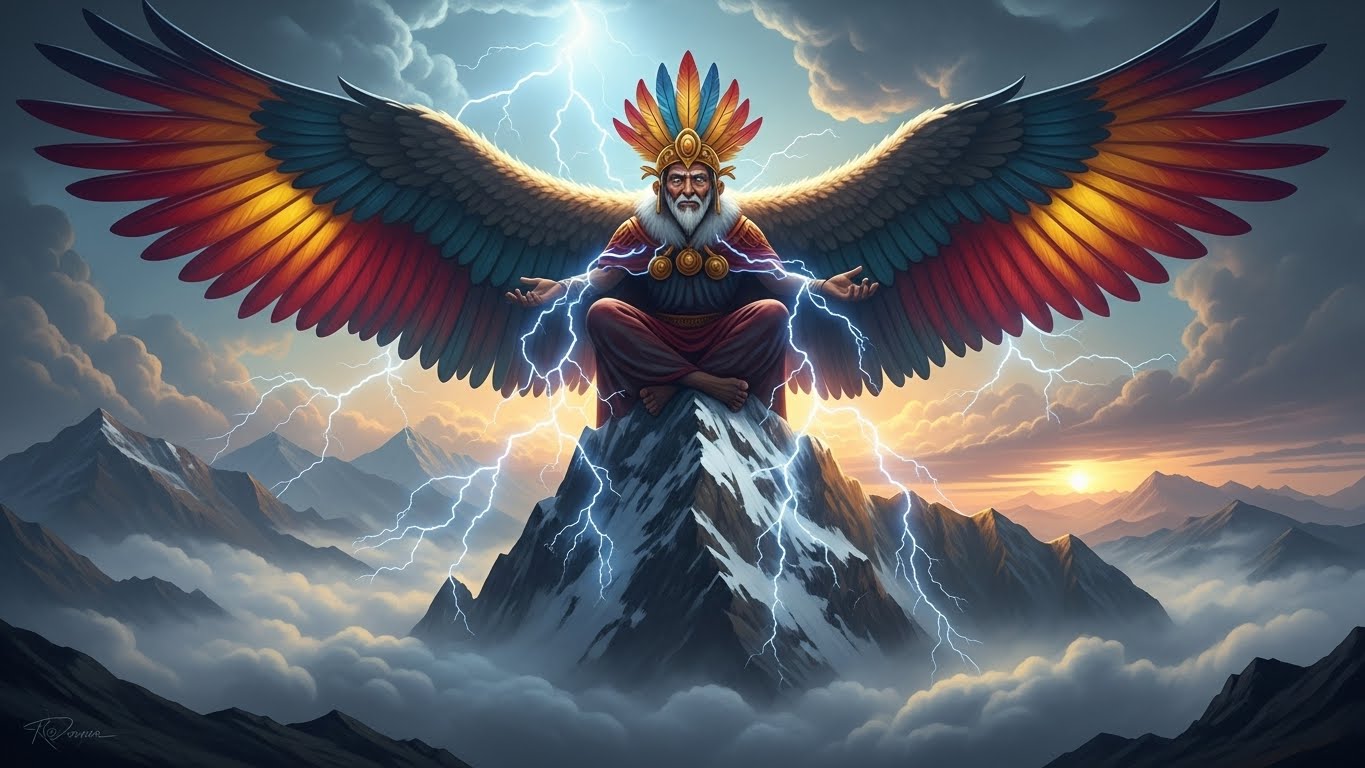
Uncuymaza traces its roots deep into the Andean highlands, where ancient civilizations thrived. This tradition is believed to have originated from indigenous practices related to agriculture and community bonding. As communities evolved, Uncuymaza became a vital ritual. It was not just about celebrating harvests but also honoring the spirits of ancestors and nature itself. The word “Uncuy” means “to gather” in Quechua, highlighting its communal essence.
Artifacts and oral histories suggest that this practice has been passed down through generations. Each family adds their unique touch while maintaining core elements rooted in reverence for the past. Throughout centuries, various influences shaped Uncuymaza. Spanish colonization introduced new customs, yet local communities preserved their identity through resilient traditions that remain relevant today.
Customs and traditions associated with Uncuymaza
Uncuymaza is rich in customs that reflect the heart of its culture. The celebration often begins with vibrant processions, where participants don traditional attire adorned with intricate patterns and colors. Music plays a vital role, as local musicians fill the air with rhythmic beats. Instruments like flutes and drums create an atmosphere of joy and unity among attendees. Food also holds a special place during Uncuymaza. Families gather to prepare traditional dishes, sharing recipes passed down through generations. This culinary aspect not only nourishes but also strengthens community bonds.
Another fascinating custom involves storytelling, where elders recount legends associated with the tradition. These stories connect younger generations to their roots while keeping history alive. Rituals honoring nature are integral too; ceremonies thanking deities for bountiful harvests demonstrate gratitude and respect toward Mother Earth. Each custom intertwines seamlessly, creating a tapestry of cultural identity that defines Uncuymaza.
How Uncuymaza is celebrated today
Today, Uncuymaza is celebrated with vibrant enthusiasm across various communities. The festival attracts people of all ages, uniting them in a shared appreciation for their heritage. Traditional music fills the air, creating an atmosphere that is both joyous and reflective. Participants don colorful attire adorned with intricate patterns that tell stories of their ancestors. Dance plays a crucial role during these festivities. Groups come together to perform traditional dances, showcasing the unique rhythms and movements passed down through generations.
Food stalls overflow with local delicacies, inviting everyone to savor flavors tied to cultural identity. Families gather around tables laden with meals prepared using age-old recipes, emphasizing connection and community spirit. Workshops often accompany the main events where artisans demonstrate crafts linked to Uncuymaza’s history. This hands-on approach deepens understanding among younger participants about the significance of preserving such traditions for future celebrations.
The impact of modernization on Uncuymaza
Modernization has touched nearly every aspect of life, and Uncuymaza is no exception. With the rise of technology and urbanization, traditional practices face new challenges.
Younger generations are often drawn to modern entertainment and lifestyles. This shift can dilute the essence of Uncuymaza as fewer people participate in its rituals. Social media also plays a dual role; while it helps share these traditions, it sometimes prioritizes trends over authenticity.
However, some communities have embraced modernization positively. They incorporate contemporary methods to keep Uncuymaza alive while attracting interest from a global audience. Workshops and online platforms are emerging that educate people about this rich tradition.
This blend of old and new creates an exciting dynamic for cultural preservation. It’s fascinating how Uncuymaza adapts, striving to maintain its roots amid rapid change yet remaining relevant in today’s world.
Preserving the tradition for future generations
Preserving Uncuymaza for future generations is a shared responsibility. Communities are stepping up to embrace this ancient tradition, ensuring its vibrancy continues.
Education plays a vital role. Workshops and cultural programs introduce the younger population to the intricate details of Uncuymaza. They learn not just about rituals but also the stories behind them.
Collaboration with local artists helps keep traditional crafts alive. By intertwining modern creativity with age-old techniques, new expressions emerge while honoring past practices.
Social media is proving beneficial too. Online platforms allow enthusiasts worldwide to share their experiences and engage others in the beauty of Uncuymaza.
Celebrating events that showcase these traditions can attract attention and inspire participation. When people come together to celebrate what matters, they strengthen their bonds while preserving cultural heritage for years to come.
Embracing the beauty and richness of Uncuymaza
Embracing the beauty of Uncuymaza is like stepping into a vibrant tapestry woven with history and culture. Each thread tells a story, connecting generations through shared experiences and rituals.
The intricate dances performed during the festivities showcase not just skill but also deep-rooted emotions. The colors of traditional attire burst forth like flowers in full bloom, symbolizing life’s vibrancy.
Food plays an essential role too. Traditional dishes are more than sustenance; they serve as a taste of heritage, evoking memories tied to family gatherings and communal celebrations.
Artisans contribute their unique crafts, adding depth to this rich tradition. Their creations reflect both personal expression and cultural identity, reminding us that creativity thrives within communities.
Through music, dance, food, and art, Uncuymaza invites everyone to immerse themselves fully. It fosters connections that transcend time while preserving the essence of what it means to belong.
Conclusion
Uncuymaza stands as a testament to the vibrant cultural heritage of its people. It offers a unique glimpse into ancient traditions that have shaped communities for generations. The rituals, customs, and celebrations associated with Uncuymaza are not merely historical artifacts; they breathe life into the present.
As modernization sweeps across the globe, challenges arise in preserving such rich legacies. Yet, there is hope. Communities are coming together to ensure that future generations experience this beautiful tradition in all its glory. They recognize that Uncuymaza holds more than just historical significance—it embodies identity and connection.
The beauty of Uncuymaza lies in its ability to adapt while remaining rooted in history. As we explore and appreciate these time-honored practices, we contribute to their endurance for years to come.
Embracing the richness of Uncuymaza means cherishing our past while looking forward with optimism towards what can be achieved through unity and understanding. This ancient tradition continues to inspire those willing to engage with it deeply, inviting everyone on a journey through culture and community spirit.